The Flowers.
There are beautiful flowers, less
beautiful. They are pulled by the
gardener and sold. From there
they either appear in the vase
or they will be laid or set at the
grave. There are sweet like the
pansies look and animal-like
flowers like the frogquarker flow-
ers look. The roses belong just
to the roses. And the tulips just
to the tulips.
Translated by Gary Sullivan.
* * *
Die Blumen.
Es gibt schöne Blumen, weniger
schöne. Sie werden vom Gärtner
gezogen und verkauft. Von dort
kommen sie entweder in die
Vase oder sie werden auf das Grab
gelegt oder gesetzt. Es gibt herzige
so wie die Stiefmütterchen aussehen und
tierähnliche Blumen so wie die Frosch-
quarker Blumen aussehen. Die Rosen
gehören eben zu den Rosen. Und die
Tulpen eben zu den Tulpen.
Wednesday, January 12, 2011


Tuesday, January 11, 2011
The Bakery
The bakery is great, in it are
two tables, one for white bread and
one for black bread. The pastry
will in each case be fetched by the
male or female nurse, for the rele-
vent pavilion with the local no.
from one to eleven. Pavillion one are
the women, two and three are the
men, four the boys and five
also boys. Six, seven the men,
eight, nine, ten the women and eleven
the men. In the morning at half past nine
the bread is shot then it comes
out and is laid out to dry on the
ferry.
Translated by Gary Sullivan.
* * *
Die Bäckerei
Die Bäckerei ist groß; darinnen sind
zwei Tische, eines für Weißbrot und
eines für Schwarzbrot. Das Gebäck
wird jeweils von der Schwester oder
vom Pfleger abgeholt, für den betref-
fenden Pavillon mit der hiesigen Nr.
von eins bis elf. Einser Pavillon sind
die Frauen, zwei und drei sind die
Männer, vier die Buben und fünf
auch Buben. Sechs, Sieben die Männer,
acht, neun, zehn die Frauen und Elf
die Männer. In der Früh um halbzehn
wird das Brot geschossen dann kommt es
heraus und zum trocknen auf die Fähren
gelegt.
The bakery is great, in it are
two tables, one for white bread and
one for black bread. The pastry
will in each case be fetched by the
male or female nurse, for the rele-
vent pavilion with the local no.
from one to eleven. Pavillion one are
the women, two and three are the
men, four the boys and five
also boys. Six, seven the men,
eight, nine, ten the women and eleven
the men. In the morning at half past nine
the bread is shot then it comes
out and is laid out to dry on the
ferry.
Translated by Gary Sullivan.
* * *
Die Bäckerei
Die Bäckerei ist groß; darinnen sind
zwei Tische, eines für Weißbrot und
eines für Schwarzbrot. Das Gebäck
wird jeweils von der Schwester oder
vom Pfleger abgeholt, für den betref-
fenden Pavillon mit der hiesigen Nr.
von eins bis elf. Einser Pavillon sind
die Frauen, zwei und drei sind die
Männer, vier die Buben und fünf
auch Buben. Sechs, Sieben die Männer,
acht, neun, zehn die Frauen und Elf
die Männer. In der Früh um halbzehn
wird das Brot geschossen dann kommt es
heraus und zum trocknen auf die Fähren
gelegt.
Monday, January 10, 2011
The Mouth.
Not everyone has a mouth
some mouth is disqualified
or operated on. So it is with me
the physician says everyone has
a mouth. the mouth is
especially for eating. The mouth
consists of the upper lip and the
lower lip, the phroat and the
flapper. Of the teeth in the upper jaw
and also in the lower jaw. Half of the
nose also belongs to the mouth. As well as
both of the earflaps and the index fin-
ger when one has stuck it into the mouth one
has.
Translated by Gary Sullivan and Oya Ataman.
* * *
Der Mund.
Nicht jeder Mensch hat einen Mund
mancher Mund ist disqualifiziert
oder operiert. So wie bei mir
der Arzt sagt jeder Mensch hat
einen Mund. der Mund ist
besonders zum essen da. Der Mund
besteht aus der Oberlippe und der
Unterlippe, dem Nachen und dem
Zapferl. Den Zähnen am Oberkiefer
und auch am Unterkiefer. Die Halbe
Nase gehört auch zum Mund. Ebenso
die beiden Ohrlappen und der Zeigefin-
ger wenn man ihn in den Mund gesteckt
hat.
Not everyone has a mouth
some mouth is disqualified
or operated on. So it is with me
the physician says everyone has
a mouth. the mouth is
especially for eating. The mouth
consists of the upper lip and the
lower lip, the phroat and the
flapper. Of the teeth in the upper jaw
and also in the lower jaw. Half of the
nose also belongs to the mouth. As well as
both of the earflaps and the index fin-
ger when one has stuck it into the mouth one
has.
Translated by Gary Sullivan and Oya Ataman.
* * *
Der Mund.
Nicht jeder Mensch hat einen Mund
mancher Mund ist disqualifiziert
oder operiert. So wie bei mir
der Arzt sagt jeder Mensch hat
einen Mund. der Mund ist
besonders zum essen da. Der Mund
besteht aus der Oberlippe und der
Unterlippe, dem Nachen und dem
Zapferl. Den Zähnen am Oberkiefer
und auch am Unterkiefer. Die Halbe
Nase gehört auch zum Mund. Ebenso
die beiden Ohrlappen und der Zeigefin-
ger wenn man ihn in den Mund gesteckt
hat.
Sunday, January 9, 2011
The Women
The women, they are pretty. The
women have good ears, and
see pretty good. The women aren’t
so stupid. The women are irritated.
The women are pleased about
each little gift. They have
more charm. And they also bitch
more than the men.
The women do not rush around,
they work.
Translated by Gary Sullivan and Oya Ataman.
* * *
Die Frauen
Die Frauen, die sind hübsch. Die
Frauen haben gute Ohren, und
sehen sehr gut. Die Frauen sind nicht
so dumm. Die Frauen ärgern sich.
Die Frauen freuen sich über
eine jede Kleinigkeit. Sie haben
mehr Charme. Und sie giften sich
auch mehr als die Männer.
Die Frauen überstürzen sich nicht,
sie arbeiten.
The women, they are pretty. The
women have good ears, and
see pretty good. The women aren’t
so stupid. The women are irritated.
The women are pleased about
each little gift. They have
more charm. And they also bitch
more than the men.
The women do not rush around,
they work.
Translated by Gary Sullivan and Oya Ataman.
* * *
Die Frauen
Die Frauen, die sind hübsch. Die
Frauen haben gute Ohren, und
sehen sehr gut. Die Frauen sind nicht
so dumm. Die Frauen ärgern sich.
Die Frauen freuen sich über
eine jede Kleinigkeit. Sie haben
mehr Charme. Und sie giften sich
auch mehr als die Männer.
Die Frauen überstürzen sich nicht,
sie arbeiten.
Saturday, January 8, 2011
The Men
The men have a strong heart.
They drive in the society. They
lead themselves. The men fall
in love deepest. They reject
life. They also have a strong
beard. The men are tired. They pre-
fer to shave with a
Philishave 3M. The men have
no enemy.
Translated by Gary Sullivan and Oya Ataman.
* * *
Die Männer
Die Männer haben ein starkes Herz.
Sie fahren in der Gesellschaft. Sie
Führen sich selbst. Die Männer ver-
lieben sich schwerst. Sie weisen das
Leben ab. Sie haben auch einen starken
Bart. Die Männer sind müde. Sie ras-
ieren sich lieber mit einem
Philishave 3m. Die Männer haben
keinen Feind.
The men have a strong heart.
They drive in the society. They
lead themselves. The men fall
in love deepest. They reject
life. They also have a strong
beard. The men are tired. They pre-
fer to shave with a
Philishave 3M. The men have
no enemy.
Translated by Gary Sullivan and Oya Ataman.
* * *
Die Männer
Die Männer haben ein starkes Herz.
Sie fahren in der Gesellschaft. Sie
Führen sich selbst. Die Männer ver-
lieben sich schwerst. Sie weisen das
Leben ab. Sie haben auch einen starken
Bart. Die Männer sind müde. Sie ras-
ieren sich lieber mit einem
Philishave 3m. Die Männer haben
keinen Feind.
Friday, January 7, 2011
Poetry
Poetry is an oral form of impressing history in slow motion. Poetry is a poem. The teacher taught us in school that poetry is a poem. Poetry is also an aversion to reality more difficult than this. The poem is a transference of authority to the student. The student learns the poem and that’s history in the book. One learns poetry from the animals found in the woods. Gazelles are renowned historians.
Translated by Gary Sullivan and Oya Ataman.
* * *
Die Poesie
Die Poesie ist eine mündliche Form der Prägung der Geschichte in Zeitlupe. Die Poesie ist eine Dichtung. Der Lehrer hat uns in der Schule gelehrt, daß Poesie eine Dichtung ist. Die Poesie ist auch eine Abneigung zur Wirklichkeit die schwerer ist als diese. Die Poesie ist eine Ubertragung der Obrigkeit zum Schüler. Der Schüler lernt die Poesie und das ist die Geschichte im Buche. Die Poesie lernt man vom Tiere aus, das sich im Wald befindet. Beruhmte Geschichteschreiber sind die Gazellen.
Poetry is an oral form of impressing history in slow motion. Poetry is a poem. The teacher taught us in school that poetry is a poem. Poetry is also an aversion to reality more difficult than this. The poem is a transference of authority to the student. The student learns the poem and that’s history in the book. One learns poetry from the animals found in the woods. Gazelles are renowned historians.
Translated by Gary Sullivan and Oya Ataman.
* * *
Die Poesie
Die Poesie ist eine mündliche Form der Prägung der Geschichte in Zeitlupe. Die Poesie ist eine Dichtung. Der Lehrer hat uns in der Schule gelehrt, daß Poesie eine Dichtung ist. Die Poesie ist auch eine Abneigung zur Wirklichkeit die schwerer ist als diese. Die Poesie ist eine Ubertragung der Obrigkeit zum Schüler. Der Schüler lernt die Poesie und das ist die Geschichte im Buche. Die Poesie lernt man vom Tiere aus, das sich im Wald befindet. Beruhmte Geschichteschreiber sind die Gazellen.
Thursday, January 6, 2011
The Ruff
The ruff is reddish-orange
it is this fit for him
He lives in Austria
and eats only oats.
The ruff is as big as a finch.
And the finch as big as
a swallow. He also eats
only oats. As well as the sparrow
the ruff is a very dear animal
He is perfectly harmless
humans he eats preferentially.
Music he hears gladly
He is domesticated. He is
kept in a cage.
He also lives free in nature
Translated by Gary Sullivan and Oya Ataman.
* * *
Der Pampf
Der Pampf ist Orangerot
dies ist das passet für ihn
Er lebt in Österreich
und frißt nur Hafer.
Der Pampf ist so groß wie ein Gimpel.
Und der Gimpel so groß wie
eine Schwalbe. Er frißt auch
nur Hafer. Sowie der Sperling
Der Pampf ist ein sehr liebes Tier
Er tut niemandem etwas zu leide
Menschen frißt er mit Vorliebe.
Musik hört er sehr gerne
Er ist ein Haustier. Er wird
in einem Käfig gehalten.
Er lebt auch in freier Natur
The ruff is reddish-orange
it is this fit for him
He lives in Austria
and eats only oats.
The ruff is as big as a finch.
And the finch as big as
a swallow. He also eats
only oats. As well as the sparrow
the ruff is a very dear animal
He is perfectly harmless
humans he eats preferentially.
Music he hears gladly
He is domesticated. He is
kept in a cage.
He also lives free in nature
Translated by Gary Sullivan and Oya Ataman.
* * *
Der Pampf
Der Pampf ist Orangerot
dies ist das passet für ihn
Er lebt in Österreich
und frißt nur Hafer.
Der Pampf ist so groß wie ein Gimpel.
Und der Gimpel so groß wie
eine Schwalbe. Er frißt auch
nur Hafer. Sowie der Sperling
Der Pampf ist ein sehr liebes Tier
Er tut niemandem etwas zu leide
Menschen frißt er mit Vorliebe.
Musik hört er sehr gerne
Er ist ein Haustier. Er wird
in einem Käfig gehalten.
Er lebt auch in freier Natur
Wednesday, January 5, 2011
Morning
The morning is gray,
another Sunday for me.
your birthday is welcome,
we all salute you.
The gray morning day begins,
the sun is shining down on us again.
The people go in to work
the morning is harsh.
The morning is beautiful.
the beautiful, good time falls.
the morning is soothing
the morning is serious —
when the clouds are drawn.
like sheep high in the sky,
we draw up the day.
the sun shines
once again.
Translated by Gary Sullivan.
* * *
Der Morgen
Der Morgen ist grau,
ein neuer Sonnentag für mich.
dein Geburtstag sei willkommen,
wir alle grüßen dich.
Der morgengraue Tag beginnt,
die Sonne scheint von neuem auf uns nieder.
Die Leute gehen der Arbeit nach
der Morgen ist herb.
Der Morgen ist schön.
die schöne, gute Zeit senkt sich hernieder.
der Morgen ist beruhigend
der Morgen ist schwerwiegend —
wenn die Wolken ziehn.
wie Schäflein hoch am Himmel,
ziehn wir den Tag hinauf.
die Sonne scheint
nun wieder.
The morning is gray,
another Sunday for me.
your birthday is welcome,
we all salute you.
The gray morning day begins,
the sun is shining down on us again.
The people go in to work
the morning is harsh.
The morning is beautiful.
the beautiful, good time falls.
the morning is soothing
the morning is serious —
when the clouds are drawn.
like sheep high in the sky,
we draw up the day.
the sun shines
once again.
Translated by Gary Sullivan.
* * *
Der Morgen
Der Morgen ist grau,
ein neuer Sonnentag für mich.
dein Geburtstag sei willkommen,
wir alle grüßen dich.
Der morgengraue Tag beginnt,
die Sonne scheint von neuem auf uns nieder.
Die Leute gehen der Arbeit nach
der Morgen ist herb.
Der Morgen ist schön.
die schöne, gute Zeit senkt sich hernieder.
der Morgen ist beruhigend
der Morgen ist schwerwiegend —
wenn die Wolken ziehn.
wie Schäflein hoch am Himmel,
ziehn wir den Tag hinauf.
die Sonne scheint
nun wieder.
Tuesday, January 4, 2011
the snow goes away. The night is
cold. the wind is never again so
cool. spring will soon be com-
ing. In our rooms are
well heated. the animals that we
heard yesterday — a horse and a —
have turned out very well.
The workers shovel the snow
Off the car and lead him
away. The engines clatter past.
Pt. Rush is fetching break-
fast. Today we have
seven men in the room. Today
Male Nurse Zalubil is with us in the
therapy craft corner.
Translated by Gary Sullivan.
* * *
der Schnee geht weg. Die Nacht ist
kalt. der Wind geht nimmer so
kühl. der Frühling wird bald kom-
men. In unseren Räumen wird
gut eingeheizt. die Tiere die wir
gestern — ein Pferd und ein — gem-
acht haben sind sehr gut ausgefallen.
Die Arbeiter schaufeln den Schnee
auf die Wagen und führen ihn
weg. Die Motoren rattern vor-
bei. Pat. Rausch ist das Fühstück
holen gegangen. Heute sind wir
sieben Mann in der Stube. Heute ist
Pfleger Zalubil bei uns in der Therapie
Bastelstube.
cold. the wind is never again so
cool. spring will soon be com-
ing. In our rooms are
well heated. the animals that we
heard yesterday — a horse and a —
have turned out very well.
The workers shovel the snow
Off the car and lead him
away. The engines clatter past.
Pt. Rush is fetching break-
fast. Today we have
seven men in the room. Today
Male Nurse Zalubil is with us in the
therapy craft corner.
Translated by Gary Sullivan.
* * *
der Schnee geht weg. Die Nacht ist
kalt. der Wind geht nimmer so
kühl. der Frühling wird bald kom-
men. In unseren Räumen wird
gut eingeheizt. die Tiere die wir
gestern — ein Pferd und ein — gem-
acht haben sind sehr gut ausgefallen.
Die Arbeiter schaufeln den Schnee
auf die Wagen und führen ihn
weg. Die Motoren rattern vor-
bei. Pat. Rausch ist das Fühstück
holen gegangen. Heute sind wir
sieben Mann in der Stube. Heute ist
Pfleger Zalubil bei uns in der Therapie
Bastelstube.
Monday, January 3, 2011
Letter
Winter has made an entrance;
The pond is frozen over. The fish
find themselves in the house. The women
go to work in the laundry
It is half past seven. In the therapy
room everything goes on. Mr.
Head Clinician comes to make his
visit. Klauser builds a
house. For a few days pt. Alex-
ander has been making a wire
fish. It, the wire-fish, stands on a
wire stand and rests from time
to time. Christmas is over and
and my parents will soon come
to visit me. It is very warm
in the room, each one tinkers. I,
the letter-writer Alexander, now
pause fifteen minutes for a cigarette break.
The telephone rings. — The radio plays
a march. Opitz paints a picture
full of pineapples. The crows fly in the
air and keep watch all day.
Marxinowich, a Yugoslavian, is very
industrious on the carpenter’s bench. Whereas the
Germans fight at the call of day.
It is half past eight — We, the East German and I,
go to fetch breakfast.
Alexander
Translated by Gary Sullivan.
* * *
Brief
Der Winter hat Einzug gehalten;
Der teich ist Zugefroren. Die Fische
befinden sich im Haus. Die Frauen
gehen zur Arbeit, in die Wäscherei
Es ist halb acht Uhr. In der Therapie
Stube geht auch alles an. Der Herr
Primarius kommt seine Visite ab-
halten. Der Klauser verfertigt ein
Haus. Vor einigen Tagen hat Pat.
Alexander einen Draht-Fisch ge-
macht. Er, der Drahtfisch, steht auf einem
Drahtständer und ruht sich ab und
zu aus. Die Weihnacht ist vorüber und
und meine Eltern werden mich bald
besuchen kommen. Es ist sehr warm
in der Stube, ein jeder bastelt. Ich,
der Briefschreiber Alexander, mache jetzt
eine racherpause von fünf Minuten.
Das telefon klingelt. — Das radio spielt
einen Marsch. Der Opitz malt ein Bild
voller Ananas. Die Krähen fliegen in der
Luft und halten die tageswacht.
Marxinowich, ein Jugoslawe, ist sehr
fleissig an der Hobelbank. Wogegen die
Germanen um den Ruf des Tages kämpfen.
Es ist halb 9 Uhr — Wir, ich und der Ossi,
gehen das Frühstück holen.
Alexander
Winter has made an entrance;
The pond is frozen over. The fish
find themselves in the house. The women
go to work in the laundry
It is half past seven. In the therapy
room everything goes on. Mr.
Head Clinician comes to make his
visit. Klauser builds a
house. For a few days pt. Alex-
ander has been making a wire
fish. It, the wire-fish, stands on a
wire stand and rests from time
to time. Christmas is over and
and my parents will soon come
to visit me. It is very warm
in the room, each one tinkers. I,
the letter-writer Alexander, now
pause fifteen minutes for a cigarette break.
The telephone rings. — The radio plays
a march. Opitz paints a picture
full of pineapples. The crows fly in the
air and keep watch all day.
Marxinowich, a Yugoslavian, is very
industrious on the carpenter’s bench. Whereas the
Germans fight at the call of day.
It is half past eight — We, the East German and I,
go to fetch breakfast.
Alexander
Translated by Gary Sullivan.
* * *
Brief
Der Winter hat Einzug gehalten;
Der teich ist Zugefroren. Die Fische
befinden sich im Haus. Die Frauen
gehen zur Arbeit, in die Wäscherei
Es ist halb acht Uhr. In der Therapie
Stube geht auch alles an. Der Herr
Primarius kommt seine Visite ab-
halten. Der Klauser verfertigt ein
Haus. Vor einigen Tagen hat Pat.
Alexander einen Draht-Fisch ge-
macht. Er, der Drahtfisch, steht auf einem
Drahtständer und ruht sich ab und
zu aus. Die Weihnacht ist vorüber und
und meine Eltern werden mich bald
besuchen kommen. Es ist sehr warm
in der Stube, ein jeder bastelt. Ich,
der Briefschreiber Alexander, mache jetzt
eine racherpause von fünf Minuten.
Das telefon klingelt. — Das radio spielt
einen Marsch. Der Opitz malt ein Bild
voller Ananas. Die Krähen fliegen in der
Luft und halten die tageswacht.
Marxinowich, ein Jugoslawe, ist sehr
fleissig an der Hobelbank. Wogegen die
Germanen um den Ruf des Tages kämpfen.
Es ist halb 9 Uhr — Wir, ich und der Ossi,
gehen das Frühstück holen.
Alexander
Sunday, January 2, 2011
On Language.
Language is the ne-
cessity of the people
and is committed to paper.
If the language is complete, it
comes to a point like how
with the Austrians. Vienna
is the starting point of our
language, which is a branch of
German. If the language is sung
and typed, it is the
radio — through the station again.
So says my friend Kurt Bauer.
Translated by Gary Sullivan.
* * *
Über die Sprache.
Die Sprache ist die Not-
wendigkeit der Menschen
und wird zu Papier gebracht.
Ist die Sprache vollständig, so
setzt man einen Punkt hin wie
bei der österreichischen. Wien
ist der Ausgangspunkt unserer
Sprache; die ist eine Abteilung
deutsch. Wird die Sprache gesungen
und getippt, so gibt sie der
Rundfunk — durch den Sender wieder.
So meint es mein Freund Kurt Bauer.
Language is the ne-
cessity of the people
and is committed to paper.
If the language is complete, it
comes to a point like how
with the Austrians. Vienna
is the starting point of our
language, which is a branch of
German. If the language is sung
and typed, it is the
radio — through the station again.
So says my friend Kurt Bauer.
Translated by Gary Sullivan.
* * *
Über die Sprache.
Die Sprache ist die Not-
wendigkeit der Menschen
und wird zu Papier gebracht.
Ist die Sprache vollständig, so
setzt man einen Punkt hin wie
bei der österreichischen. Wien
ist der Ausgangspunkt unserer
Sprache; die ist eine Abteilung
deutsch. Wird die Sprache gesungen
und getippt, so gibt sie der
Rundfunk — durch den Sender wieder.
So meint es mein Freund Kurt Bauer.
Saturday, January 1, 2011
Autumn.
The leaves have fallen from the
trees.
And now adorn the floor
silently.
The sky is completely still and
silent.
The woods are peaceful and content.
The hunter stalks the game —
the doe, stag and hare.
Autumn is sunken.
Translated by Gary Sullivan.
* * *
Der Herbst.
Die Blätter sind von den Bäumen
gefallen.
Und zieren nun den Boden
stumm.
Der Himmel ist ganz still und
stumm.
Der Wald ist ruhig und zufrieden.
Der Jäger pirscht sich an das Wild —
an Reh, Hirsch und Has.
Der Herbst is eingefallen.
The leaves have fallen from the
trees.
And now adorn the floor
silently.
The sky is completely still and
silent.
The woods are peaceful and content.
The hunter stalks the game —
the doe, stag and hare.
Autumn is sunken.
Translated by Gary Sullivan.
* * *
Der Herbst.
Die Blätter sind von den Bäumen
gefallen.
Und zieren nun den Boden
stumm.
Der Himmel ist ganz still und
stumm.
Der Wald ist ruhig und zufrieden.
Der Jäger pirscht sich an das Wild —
an Reh, Hirsch und Has.
Der Herbst is eingefallen.
Friday, December 31, 2010
Love.
This truth is toooo
Stupid, and I go. — — — — —
To the babe: “TO BE KISSING—
YOO.”
Translated by Gary Sullivan.
* * *
Die Liebe.
Die Liebe.
Diese Wahrheit ist zuu
dumm, und ich geh. — — — — —
Zum Mädl: »UM SIE ZU —
KÜSSEN.«
* * *
Note
In the original, the "S"es in "KÜSSEN" are both rendered backwards.
This truth is toooo
Stupid, and I go. — — — — —
To the babe: “TO BE KISSING—
YOO.”
Translated by Gary Sullivan.
* * *
Die Liebe.
Die Liebe.
Diese Wahrheit ist zuu
dumm, und ich geh. — — — — —
Zum Mädl: »UM SIE ZU —
KÜSSEN.«
* * *
Note
In the original, the "S"es in "KÜSSEN" are both rendered backwards.
Thursday, December 30, 2010
Wednesday, December 29, 2010
The Telephone.
The telephone rings every day
and I already know
the lyrics.
Brring rings the telephone and
it was over
for the reverie.
Translated by Gary Sullivan.
* * *
Das Telephon.
Tags ging das Telephon
und ich wußste schon,
den Text dazu.
Klings, ging das Telephon und
es war vorbei
mit der Träumerei.
* * *
Notes
The first two lines of this poem, "Tags ging das Telephon/ und ich wußste schon," are a slight rewording (e.g., "Tags" for "Nacht") of lines from an old German song, Nacht ging das Telefon:
So, it's sort of a joke when Herbeck writes "I already know the lyrics." (In the original song it's something like "I already know who's calling.")
The telephone rings every day
and I already know
the lyrics.
Brring rings the telephone and
it was over
for the reverie.
Translated by Gary Sullivan.
* * *
Das Telephon.
Tags ging das Telephon
und ich wußste schon,
den Text dazu.
Klings, ging das Telephon und
es war vorbei
mit der Träumerei.
* * *
Notes
The first two lines of this poem, "Tags ging das Telephon/ und ich wußste schon," are a slight rewording (e.g., "Tags" for "Nacht") of lines from an old German song, Nacht ging das Telefon:
So, it's sort of a joke when Herbeck writes "I already know the lyrics." (In the original song it's something like "I already know who's calling.")
Tuesday, December 28, 2010
Winter.
Winter lies all in bed
and wraps itself in snow and ice
It freezes in the hand
and whitens the entire land.
It takes its time
from January though Shrovetide.
Winter snows and the wind
and the wind tells it wide.
Translated by Gary Sullivan.
* * *
Der Winter.
Der Winter liegt im Bette gar
und hüllt sich in Schnee und Eis
Er friert in der Hand
und macht weiß das ganze Land.
Er dauert die Zeit
über Jänner und Fasching weit.
Der Winter schneit und der Wind
Und der Wind erzählt es breit.
Winter lies all in bed
and wraps itself in snow and ice
It freezes in the hand
and whitens the entire land.
It takes its time
from January though Shrovetide.
Winter snows and the wind
and the wind tells it wide.
Translated by Gary Sullivan.
* * *
Der Winter.
Der Winter liegt im Bette gar
und hüllt sich in Schnee und Eis
Er friert in der Hand
und macht weiß das ganze Land.
Er dauert die Zeit
über Jänner und Fasching weit.
Der Winter schneit und der Wind
Und der Wind erzählt es breit.
Monday, December 27, 2010
Part III
1969-76

Ernst Herbeck, 1978
Texts written up to the end of this period were published in Ernst Herbeck's first book, Alexander’s Poetic Texts (1977). APT contains a selection of about 300 poems and prose pieces.
Herbeck hadn’t read contemporary or traditional poetry since his youth. In 1974 I experimented by having Herbeck read several well-known German poems, asking him to write something in response to each. Several of his interesting paraphrases are included in this section.
--Leo Navratil
Translated by Gary Sullivan. This post refers to the poems posted after, or above, it.
* * *
III
1969-76
Die bis zum Ende dieser Periode enstandenen Texte finden sich in dem 1977 erschienenen Buch »Alexanders poetische Texte«. Dieses Buch enthält eine Auswahl aus seinem bis dahin vorliegenden Gesamtwerk mit etwa 300 Titeln.
Ernst Herbeck hatte zeitgenössiche oder traditionelle Lyrik seit seiner Jugend nicht mehr gelesen. Im Jahre 1974 wagte ich den Versuch, Herbeck bekannte Gedichte vorzulegen und ihn zu bitten, etwas Eigenes dazu zu schreiben. Es sind dabei einige interessante Paraphrasen entstanden.
--Leo Navratil
1969-76
Ernst Herbeck, 1978
Texts written up to the end of this period were published in Ernst Herbeck's first book, Alexander’s Poetic Texts (1977). APT contains a selection of about 300 poems and prose pieces.
Herbeck hadn’t read contemporary or traditional poetry since his youth. In 1974 I experimented by having Herbeck read several well-known German poems, asking him to write something in response to each. Several of his interesting paraphrases are included in this section.
--Leo Navratil
Translated by Gary Sullivan. This post refers to the poems posted after, or above, it.
* * *
III
1969-76
Die bis zum Ende dieser Periode enstandenen Texte finden sich in dem 1977 erschienenen Buch »Alexanders poetische Texte«. Dieses Buch enthält eine Auswahl aus seinem bis dahin vorliegenden Gesamtwerk mit etwa 300 Titeln.
Ernst Herbeck hatte zeitgenössiche oder traditionelle Lyrik seit seiner Jugend nicht mehr gelesen. Im Jahre 1974 wagte ich den Versuch, Herbeck bekannte Gedichte vorzulegen und ihn zu bitten, etwas Eigenes dazu zu schreiben. Es sind dabei einige interessante Paraphrasen entstanden.
--Leo Navratil
Thursday, March 5, 2009
The Woman In Me.
High up there on the mountain
Where the two cherubs stand.
There is also then—a dwarf
He should guard the sights.
Always green at these heights.
There in the dark woods
There I am completely fine.
The little words woman slurs.
Translated by Gary Sullivan.
* * *
Die Frau In Mir.
Hoch droben auf dem Berg
Wo die Zwei Englein stehn.
Dort ist dann auch noch—ein Zwerg
Er soll die Wache sehn.
Immer grün auf diesen Höhn.
Dort in dem dunklen Wald
Dort habe ich ganz schön.
Das Wörtlein Frau gelallt.
High up there on the mountain
Where the two cherubs stand.
There is also then—a dwarf
He should guard the sights.
Always green at these heights.
There in the dark woods
There I am completely fine.
The little words woman slurs.
Translated by Gary Sullivan.
* * *
Die Frau In Mir.
Hoch droben auf dem Berg
Wo die Zwei Englein stehn.
Dort ist dann auch noch—ein Zwerg
Er soll die Wache sehn.
Immer grün auf diesen Höhn.
Dort in dem dunklen Wald
Dort habe ich ganz schön.
Das Wörtlein Frau gelallt.
Wednesday, March 4, 2009
Tuesday, March 3, 2009
Monday, March 2, 2009
The Tooth.
The tooth has expired—
Now it breaks off.
Now it is so far,—
to go to the dentist.
Thanks to the kisser.
otherwise it is out with the mouth-
work.
End.
Translated by Gary Sullivan.
* * *
Der Zahn.
Der Zahn ist erloschen—
Jetzt bricht er aus.
Nun ist es so weit,—
zum Zahnarzt zu gehen.
Wegen der Goschen.
sonst ist es aus mit dem Mund-
werk.
Ende.
The tooth has expired—
Now it breaks off.
Now it is so far,—
to go to the dentist.
Thanks to the kisser.
otherwise it is out with the mouth-
work.
End.
Translated by Gary Sullivan.
* * *
Der Zahn.
Der Zahn ist erloschen—
Jetzt bricht er aus.
Nun ist es so weit,—
zum Zahnarzt zu gehen.
Wegen der Goschen.
sonst ist es aus mit dem Mund-
werk.
Ende.
Sunday, March 1, 2009
My Last Will
Break a leg comrades
I go off into battle
and not to the bath
break out the sour cream
and greetings there my homeland
Translated by Gary Sullivan.
* * *
Mein letzter Wille
Hals und Beinbruch Kameraden
Ich geh zur Schlacht
und geh nicht baden
nimm heraus den Sauerrahm
und Grüße dort mein Heimatland
Break a leg comrades
I go off into battle
and not to the bath
break out the sour cream
and greetings there my homeland
Translated by Gary Sullivan.
* * *
Mein letzter Wille
Hals und Beinbruch Kameraden
Ich geh zur Schlacht
und geh nicht baden
nimm heraus den Sauerrahm
und Grüße dort mein Heimatland
Friday, February 27, 2009
Golden ABCs
The sequence A-Z
The alphabet in order
The lock
The book order B-Y
The interim result C
A
1. A beautiful A
as it once was
is—like—
an apple star
in—Vien’na (AS N)
2. A beautiful film star
is a prayer
As gladly I’s once staged (in old time VIENNA)
and as beautiful; as it once waS.
3. A A A winter that is there.
Winter, summer, autumn and rain
P l e a s e God—bounty me the apple gain.
A A A spring that is THERE.
B
B B B to separate does hurt.
always tributary in the crossroads,
the wood falls in whining odes,
B B B to separate does hurt.
B B B to separate does hurt.
Wood disheartened in the holloway,
the wood lies at the crossroads,
B B B to separate does hurt.
C
The high of C is happiness,
but love belongs to property.
Turn, turn, turn, that is C
Turn, turn, turn, there is C
love is everything passed
Had we but caught it,
Turn, Turn, Turn, there lies the C
D
D D D the mother does me harm.
Lamentful cross and much bemoaned
and the money to be loaned
D D D the mother does the harm.
E
E E E now there is snow and ice.
Winter that has begun.
Winter that has imprisoned us.
E E E now there is snow and ice.
F
This letter cannot be written
because it is not there.
G
G G G finds itself in the way
finds itself in the auto logo
because the men settle it so.
G G G finds itself at the base.
H
H H H a guesthouse that is there
every Viennese wants that as long
as they stand in the arch-of-stars.
H H H the Viennese that is near.
I
I I I an Italian cattle ranch
fat animals at the hedges
want always for aunt to ask,
I I I an Italian cattle ranch.
J
J J J now the letter is in the tea
unguarded and drowned
wants always to brew this post-renown
J J J now the letter is in the tea.
K
K K K soldiers’ question kiln.
Always blood and without sorrow
Must the son of the parents (borrow).
K K K soldiers’ question CWM.
L
L L L the Latvian question dwells,
“You want blood and other thrill”
Evenings suffer just the pill.
L L L the Latvian question dwells.
M
M M M the mother is a Pem
Always lust and without grace
Can one almost the bug case (solve)
M M M the mother is a Pem.
N
N N N the carpenter builds a shelf.
Always courage and without worry
he builds himself the wagon barge.
N N N the carpenter builds a “shelf.”
O
O O O the eyes are looking so.
Courage gone and in LETTING
one can not be letting
O O O the ears to dazzle soo.
Qu
Qu Qu Qu the frogs come into view.
look badly beaten courageless.
for something to eat on the page?
Qu Qu Qu the frogs come into view.
R
R R R the work that is, is hard
rage-suppressed and hard the work
one cannot afford BABBLE.
R R R the work that is, is hard.
S
S S S soldier’s question tess(t)
with shooting in the lesson.
one can not test—honor.
S S S soldier’s question thess.
T
T T T the tea question.
Coffee plantations without concern
cnan Japan be occluded.
T T T that is the tea question.
U
U U U now we play blind cow
Children let the play begin.
without quarreling or question.
U U U Now we play blind cow.
V
V V V this frau is a scow
Why, just ask the papa.
Whether it’s good for JAGA
V V V the frau is a SScow.
W
W W W Le projectile
ice pune uce scrine
Girl then leaves the leg(g)s
W W W Le projectile.
X
X X X the legs are in the Tom mix
kiss and biss for a nowman
But don’t you leave the flophouse
X X X the legs are in the Tom mix
Y
Y Y Y The flowers are not pretty
hedge roses and a little stilts
bird blackbird and a kitten
Y Y Y the flowers are not pretty.
Z
Z Z Z To the Mish is the Shat
always heard and also seen
Stockings stuff and that is that
Z Z Z To the MMash is the Shat
KITCHEN—
* * *
Goldenes ABC
Die Reihenfolge A-Z
Das Alphabet der Ordnung
Das Schloß
Die Buchreihenfolge B-Y
Die Zwischenbilanz das C
A
1. Ein schönes A
wie es einmal war
ist—gleich—
ein schöner Apfelstar
in—Wie’n (WIE N)
2. Ein schöner Filmstar
ist ein Gebet
Wie gern ich’s einmal hett (in WIEN alt Zt.)
und wie schön; als es einmal waR.
3. A A A der Winter der is da.
Winter, Sommer, Herbst und Regen
B i t t e Gott—Spende mir den Apfelsegen.
A A A der Frühling der ist DA.
B
B B B scheiden tut weh.
immer Untertan am Scheidewege,
das Holz gefällt in Jammertrede,
B B B scheiden tut weh.
B B B scheiden tut weh.
Holz verzagt am Hohlenwege,
das Gehölz liegt am Scheidewege,
B B B scheiden tut weh.
C
Das Hoch auf C ist wohlgemuth,
die Liebe aber gehört dem Gut.
Dreh, dreh, dreh, das ist das C
Dreh, dreh, dreh, da ist das C
Die Liebe ist allem vergangen
Hätten wir es nur eingefangen,
Dreh, Dreh, Dreh, da liegt das C
D
D D D die Mutter tut mir weh.
Jahmer Kreuz und viele Sorgen
und das Geld ist auszuborgen,
D D D die Mutter die tut weh.
E
E E E nun gibt es Eis und Schnee.
Winter der hat angefangen.
Winter der hat uns gefangen.
E E E nun gibt es Eis und Schnee.
F
Dieser Buchstabe kann nicht geschrieben
werden, weil es den nicht gibt.
G
G G G befindet sich am Weg
befindet sich am Autozeichen
weil die Männer dies begleichen.
G G G befindet sich am Steg.
H
H H H ein Gasthaus das ist da
jeder Wiener will das gerne
wenn sie stehen am Laubensterne.
H H H der Wiener der ist nah.
I
I I I ein italienisches Vieh
dicke Tiere am Hagen
wollen stets nach Tante fragen,
I I I ein italienisches Vieh.
J
J J J nun ist der Buchstabe im Tee
unbewacht und abgesoffen
wollen stets nach Ruhm, diesen kochen
J J J nun ist der Buchstabe im Tee.
K
K K K Soldatenfrage Dare.
Immer Blut und ohne Sorgen
Must den Sohn den Eltern (borgen).
K K K Soldatenfrage KAR.
L
L L L die Lettenfrage stell,
»Willst du Blut und Andern Kille«
Abends leide nur die Pille.
L L L die Lettenfrage stell.
M
M M M die Mutter ist ein Pem
Immer Lust und ohne Gnade
Kann man schier die Gelsenfrage (l ö s e n)
M M M die Mutter ist ein Pem.
N
N N N der Tischler baut ein Gstell.
Immer Mut und ohne Plage
baut er sich den Wagen barge.
N N N der Tischler baut ein »Gstell«.
O
O O O die Augen blicken so.
Mutverloren und im LASSEN
kann man sich nicht bauen lassen
O O O die Ohren blenden soo.
Qu
Qu Qu Qu die Frösche schauen in die Höh.
schauen mutverlassen arge.
um Etwas zu fressen Page?
Qu Qu Qu die Frösche schauen in die Höh.
R
R R R die Arbeit die, die is schwer
wutverborgen und hart die Arbeit
kann man sich nicht leisten LALLE.
R R R die Arbeit die ist schwer.
S
S S S Soldatenfrage Tess(t)
mit dem Schießen in der Lehre.
kann man sich nicht Testen—Ehre.
S S S Soldatenfrage Dess.
T
T T T die Frage Tee.
Kaffeeplantagen Ohnesorge.
knan Japan nicht verborge.
T T T das is die Frage Tee.
U
U U U nun spielen wir blinde Kuh
Kinder lasst das Spielen gleiten.
ohne sich darum zu streiten.
U U U Nun spielen wir blinde Kuh.
V
V V V diese Frau ist ein Dau
Warum, nur fragen sie den Papa.
Ob er etwas taugt für JAGA
V V V die Frau ist eine DDau.
W
W W W Le projektil
ice pune uce scrine
Mädel lasse dan die B(e)ine
W W W Le Projektil.
X
X X X die Beine sin dim Tom Mix
Kuß und Kusr für einen Herrnen
Aber lasse Dich nicht Pennen
X X X die Beine sin dim Tom Mix
Y
Y Y Y Die Blumen sind nicht hübsch
Heckenrosen und ein Stelzchen
Vogel Amsel und ein Kätzchen
Y Y Y die Blumen sind nicht hübsch.
Z
Z Z Z Zur Kudel ist die Blach
immer hören und auch sehen
Strümpfe stopfen und nicht gehen
Z Z Z Zur NKudel ist die Blach
KÜCHE—
The sequence A-Z
The alphabet in order
The lock
The book order B-Y
The interim result C
A
1. A beautiful A
as it once was
is—like—
an apple star
in—Vien’na (AS N)
2. A beautiful film star
is a prayer
As gladly I’s once staged (in old time VIENNA)
and as beautiful; as it once waS.
3. A A A winter that is there.
Winter, summer, autumn and rain
P l e a s e God—bounty me the apple gain.
A A A spring that is THERE.
B
B B B to separate does hurt.
always tributary in the crossroads,
the wood falls in whining odes,
B B B to separate does hurt.
B B B to separate does hurt.
Wood disheartened in the holloway,
the wood lies at the crossroads,
B B B to separate does hurt.
C
The high of C is happiness,
but love belongs to property.
Turn, turn, turn, that is C
Turn, turn, turn, there is C
love is everything passed
Had we but caught it,
Turn, Turn, Turn, there lies the C
D
D D D the mother does me harm.
Lamentful cross and much bemoaned
and the money to be loaned
D D D the mother does the harm.
E
E E E now there is snow and ice.
Winter that has begun.
Winter that has imprisoned us.
E E E now there is snow and ice.
F
This letter cannot be written
because it is not there.
G
G G G finds itself in the way
finds itself in the auto logo
because the men settle it so.
G G G finds itself at the base.
H
H H H a guesthouse that is there
every Viennese wants that as long
as they stand in the arch-of-stars.
H H H the Viennese that is near.
I
I I I an Italian cattle ranch
fat animals at the hedges
want always for aunt to ask,
I I I an Italian cattle ranch.
J
J J J now the letter is in the tea
unguarded and drowned
wants always to brew this post-renown
J J J now the letter is in the tea.
K
K K K soldiers’ question kiln.
Always blood and without sorrow
Must the son of the parents (borrow).
K K K soldiers’ question CWM.
L
L L L the Latvian question dwells,
“You want blood and other thrill”
Evenings suffer just the pill.
L L L the Latvian question dwells.
M
M M M the mother is a Pem
Always lust and without grace
Can one almost the bug case (solve)
M M M the mother is a Pem.
N
N N N the carpenter builds a shelf.
Always courage and without worry
he builds himself the wagon barge.
N N N the carpenter builds a “shelf.”
O
O O O the eyes are looking so.
Courage gone and in LETTING
one can not be letting
O O O the ears to dazzle soo.
Qu
Qu Qu Qu the frogs come into view.
look badly beaten courageless.
for something to eat on the page?
Qu Qu Qu the frogs come into view.
R
R R R the work that is, is hard
rage-suppressed and hard the work
one cannot afford BABBLE.
R R R the work that is, is hard.
S
S S S soldier’s question tess(t)
with shooting in the lesson.
one can not test—honor.
S S S soldier’s question thess.
T
T T T the tea question.
Coffee plantations without concern
cnan Japan be occluded.
T T T that is the tea question.
U
U U U now we play blind cow
Children let the play begin.
without quarreling or question.
U U U Now we play blind cow.
V
V V V this frau is a scow
Why, just ask the papa.
Whether it’s good for JAGA
V V V the frau is a SScow.
W
W W W Le projectile
ice pune uce scrine
Girl then leaves the leg(g)s
W W W Le projectile.
X
X X X the legs are in the Tom mix
kiss and biss for a nowman
But don’t you leave the flophouse
X X X the legs are in the Tom mix
Y
Y Y Y The flowers are not pretty
hedge roses and a little stilts
bird blackbird and a kitten
Y Y Y the flowers are not pretty.
Z
Z Z Z To the Mish is the Shat
always heard and also seen
Stockings stuff and that is that
Z Z Z To the MMash is the Shat
KITCHEN—
* * *
Goldenes ABC
Die Reihenfolge A-Z
Das Alphabet der Ordnung
Das Schloß
Die Buchreihenfolge B-Y
Die Zwischenbilanz das C
A
1. Ein schönes A
wie es einmal war
ist—gleich—
ein schöner Apfelstar
in—Wie’n (WIE N)
2. Ein schöner Filmstar
ist ein Gebet
Wie gern ich’s einmal hett (in WIEN alt Zt.)
und wie schön; als es einmal waR.
3. A A A der Winter der is da.
Winter, Sommer, Herbst und Regen
B i t t e Gott—Spende mir den Apfelsegen.
A A A der Frühling der ist DA.
B
B B B scheiden tut weh.
immer Untertan am Scheidewege,
das Holz gefällt in Jammertrede,
B B B scheiden tut weh.
B B B scheiden tut weh.
Holz verzagt am Hohlenwege,
das Gehölz liegt am Scheidewege,
B B B scheiden tut weh.
C
Das Hoch auf C ist wohlgemuth,
die Liebe aber gehört dem Gut.
Dreh, dreh, dreh, das ist das C
Dreh, dreh, dreh, da ist das C
Die Liebe ist allem vergangen
Hätten wir es nur eingefangen,
Dreh, Dreh, Dreh, da liegt das C
D
D D D die Mutter tut mir weh.
Jahmer Kreuz und viele Sorgen
und das Geld ist auszuborgen,
D D D die Mutter die tut weh.
E
E E E nun gibt es Eis und Schnee.
Winter der hat angefangen.
Winter der hat uns gefangen.
E E E nun gibt es Eis und Schnee.
F
Dieser Buchstabe kann nicht geschrieben
werden, weil es den nicht gibt.
G
G G G befindet sich am Weg
befindet sich am Autozeichen
weil die Männer dies begleichen.
G G G befindet sich am Steg.
H
H H H ein Gasthaus das ist da
jeder Wiener will das gerne
wenn sie stehen am Laubensterne.
H H H der Wiener der ist nah.
I
I I I ein italienisches Vieh
dicke Tiere am Hagen
wollen stets nach Tante fragen,
I I I ein italienisches Vieh.
J
J J J nun ist der Buchstabe im Tee
unbewacht und abgesoffen
wollen stets nach Ruhm, diesen kochen
J J J nun ist der Buchstabe im Tee.
K
K K K Soldatenfrage Dare.
Immer Blut und ohne Sorgen
Must den Sohn den Eltern (borgen).
K K K Soldatenfrage KAR.
L
L L L die Lettenfrage stell,
»Willst du Blut und Andern Kille«
Abends leide nur die Pille.
L L L die Lettenfrage stell.
M
M M M die Mutter ist ein Pem
Immer Lust und ohne Gnade
Kann man schier die Gelsenfrage (l ö s e n)
M M M die Mutter ist ein Pem.
N
N N N der Tischler baut ein Gstell.
Immer Mut und ohne Plage
baut er sich den Wagen barge.
N N N der Tischler baut ein »Gstell«.
O
O O O die Augen blicken so.
Mutverloren und im LASSEN
kann man sich nicht bauen lassen
O O O die Ohren blenden soo.
Qu
Qu Qu Qu die Frösche schauen in die Höh.
schauen mutverlassen arge.
um Etwas zu fressen Page?
Qu Qu Qu die Frösche schauen in die Höh.
R
R R R die Arbeit die, die is schwer
wutverborgen und hart die Arbeit
kann man sich nicht leisten LALLE.
R R R die Arbeit die ist schwer.
S
S S S Soldatenfrage Tess(t)
mit dem Schießen in der Lehre.
kann man sich nicht Testen—Ehre.
S S S Soldatenfrage Dess.
T
T T T die Frage Tee.
Kaffeeplantagen Ohnesorge.
knan Japan nicht verborge.
T T T das is die Frage Tee.
U
U U U nun spielen wir blinde Kuh
Kinder lasst das Spielen gleiten.
ohne sich darum zu streiten.
U U U Nun spielen wir blinde Kuh.
V
V V V diese Frau ist ein Dau
Warum, nur fragen sie den Papa.
Ob er etwas taugt für JAGA
V V V die Frau ist eine DDau.
W
W W W Le projektil
ice pune uce scrine
Mädel lasse dan die B(e)ine
W W W Le Projektil.
X
X X X die Beine sin dim Tom Mix
Kuß und Kusr für einen Herrnen
Aber lasse Dich nicht Pennen
X X X die Beine sin dim Tom Mix
Y
Y Y Y Die Blumen sind nicht hübsch
Heckenrosen und ein Stelzchen
Vogel Amsel und ein Kätzchen
Y Y Y die Blumen sind nicht hübsch.
Z
Z Z Z Zur Kudel ist die Blach
immer hören und auch sehen
Strümpfe stopfen und nicht gehen
Z Z Z Zur NKudel ist die Blach
KÜCHE—
Thursday, February 26, 2009
Der Urlaub.
Der Urlaub ist Gesetzespflicht
ganz gleich ob »Mann« ob »Mich« (FRAU)
ganz gleich für welcher Gebärden.
sich zeigen nach der Unterschrift, n. (FA)
der Urlaub ist Gesetzespflicht.
Der Urlaub will gehalten sein
ob Tag, ob halb, ob Wochenfein.
Er ist auch pünktlich ganz und gar rein
und sicher ANGEZEIGT.
[This poem has not yet been translated.]
Der Urlaub ist Gesetzespflicht
ganz gleich ob »Mann« ob »Mich« (FRAU)
ganz gleich für welcher Gebärden.
sich zeigen nach der Unterschrift, n. (FA)
der Urlaub ist Gesetzespflicht.
Der Urlaub will gehalten sein
ob Tag, ob halb, ob Wochenfein.
Er ist auch pünktlich ganz und gar rein
und sicher ANGEZEIGT.
[This poem has not yet been translated.]
Wednesday, February 25, 2009
Tuesday, February 24, 2009
Monday, February 23, 2009
The Patient
The patient is sick. There-
fore he must be healed.
The patient would also be looked
after.
He understands himself well with the
doctors.
The patient can, when healed, be dis-
charged.
Translated by Gary Sullivan.
* * *
Der Patient
Der Patient ist krank. Des-
halb muß er geheilt werden.
Der Patient würde auch gepflegt
sein.
Er versteht sich gut mit den
Ärzten.
Der Patient kann als geheilt ent-
lassen werden.
The patient is sick. There-
fore he must be healed.
The patient would also be looked
after.
He understands himself well with the
doctors.
The patient can, when healed, be dis-
charged.
Translated by Gary Sullivan.
* * *
Der Patient
Der Patient ist krank. Des-
halb muß er geheilt werden.
Der Patient würde auch gepflegt
sein.
Er versteht sich gut mit den
Ärzten.
Der Patient kann als geheilt ent-
lassen werden.
Sunday, February 22, 2009
The Goose
The goose usually swears before
it has flown.
Your trump belongs to his fourth
who now also soaks what the threesome
swells
This song is now off
It goes mountaineering in yon valley
to the waterfall.
Translated by Gary Sullivan.
* * *
Die Gans
Die Gans schwört meist wenn
sie vorfliegt.
Ihr Trumpf gehört ihm vierer
wer nu’ auch quillt der Dreier
schwillt
Fort ist jetzt dieses Lied
Es geht bergup in jenes Tal
zum Wasserfall.
The goose usually swears before
it has flown.
Your trump belongs to his fourth
who now also soaks what the threesome
swells
This song is now off
It goes mountaineering in yon valley
to the waterfall.
Translated by Gary Sullivan.
* * *
Die Gans
Die Gans schwört meist wenn
sie vorfliegt.
Ihr Trumpf gehört ihm vierer
wer nu’ auch quillt der Dreier
schwillt
Fort ist jetzt dieses Lied
Es geht bergup in jenes Tal
zum Wasserfall.
Saturday, February 21, 2009
The Ravens.
It sticks oft in the craw
as we now go eat
The Ravens lead the pious on
and prance around like
swan.
The song herby the voice
out here in the roaring storm.
Translated by Gary Sullivan.
* * *
Der Rabe.
In der Falte steckt er oft
während wir jetzt essen gehen
Der Rabe führt die Frommen an
und gaustert sich herum als
Schwan.
Das Lied herbei die Stimm
heraus im Sturmgebraus.
* * *
Notes
"herby" is sic.
It sticks oft in the craw
as we now go eat
The Ravens lead the pious on
and prance around like
swan.
The song herby the voice
out here in the roaring storm.
Translated by Gary Sullivan.
* * *
Der Rabe.
In der Falte steckt er oft
während wir jetzt essen gehen
Der Rabe führt die Frommen an
und gaustert sich herum als
Schwan.
Das Lied herbei die Stimm
heraus im Sturmgebraus.
* * *
Notes
"herby" is sic.
Friday, February 20, 2009
The Peony.
Poem.
Firn the snow the ice freezes
The peony as it mistakes itself
and even still the air fixates
It is red from shame. The future
leek
It celebrates so here an Easter tradition.
Translated by Gary Sullivan.
* * *
Die Pfingstrose.
Gedicht.
Firn der Schnee das Eis gefriert
Die Pfingstrose weil sie sich selber irrt
und noch dazu die Luft umstiert
Sie ist rot vor Scham. Der Zukunft
Lauch
Sie, feiern so hier einen Osterbrauch.
Poem.
Firn the snow the ice freezes
The peony as it mistakes itself
and even still the air fixates
It is red from shame. The future
leek
It celebrates so here an Easter tradition.
Translated by Gary Sullivan.
* * *
Die Pfingstrose.
Gedicht.
Firn der Schnee das Eis gefriert
Die Pfingstrose weil sie sich selber irrt
und noch dazu die Luft umstiert
Sie ist rot vor Scham. Der Zukunft
Lauch
Sie, feiern so hier einen Osterbrauch.
Thursday, February 19, 2009
Wednesday, February 18, 2009
Tuesday, February 17, 2009
In the Album.
Day is upon the good German
dead oak of the past heath
the poverty of the flowery. Flower
squirted into the face and still
bedraggles the treefort.
Translated by Gary Sullivan.
* * *
Ins Stammbuch.
Der Tag ist auf die gut Deutsche
Eiche Tot der vergangen Heid
Die Not das Blumeheit. Blume
ins Gesicht gespritzt und doch
gelumpt der Tannenhort.
Day is upon the good German
dead oak of the past heath
the poverty of the flowery. Flower
squirted into the face and still
bedraggles the treefort.
Translated by Gary Sullivan.
* * *
Ins Stammbuch.
Der Tag ist auf die gut Deutsche
Eiche Tot der vergangen Heid
Die Not das Blumeheit. Blume
ins Gesicht gespritzt und doch
gelumpt der Tannenhort.
Monday, February 16, 2009
Schiller.
Schiller Friedrich is his name
and he composes poems on meadows.
where he himself wants to build a house.
Friedrich Schiller has begged
the king into interrogating
the knight’s sword and son.
that make fun of him.
Translated by Gary Sullivan.
* * *
Schiller.
Schiller Friedrich ist sein Name
und er dichtet über Auen.
wo er sich will ein Haus bauen.
Friedrich Schiller hat den König
Gebeten in zu verhören
über Ritter Degen und Gesindl.
das sich über ihn lustig macht.
* * *
Notes
The second to last line is a loose translation to pick up on the "regen und gesund" resonance some.
Schiller Friedrich is his name
and he composes poems on meadows.
where he himself wants to build a house.
Friedrich Schiller has begged
the king into interrogating
the knight’s sword and son.
that make fun of him.
Translated by Gary Sullivan.
* * *
Schiller.
Schiller Friedrich ist sein Name
und er dichtet über Auen.
wo er sich will ein Haus bauen.
Friedrich Schiller hat den König
Gebeten in zu verhören
über Ritter Degen und Gesindl.
das sich über ihn lustig macht.
* * *
Notes
The second to last line is a loose translation to pick up on the "regen und gesund" resonance some.
Sunday, February 15, 2009
GOD.
God wants to lay the clouds.
and read the mommies.
The ancestors of unsuspecting men
rage under their flags.
the clouds.
They have stopped to study
and examine the Japanese.
Translated by Gary Sullivan.
* * *
GOTT.
Gott will die Wolken legen.
und die Mütter lesen.
Die Ahnen ahnungslosen Menschen
wüten unter ihren Fahnen.
die Wolken.
Sie hat aufgehört zu studieren
und die Japaner zu prüfen.
God wants to lay the clouds.
and read the mommies.
The ancestors of unsuspecting men
rage under their flags.
the clouds.
They have stopped to study
and examine the Japanese.
Translated by Gary Sullivan.
* * *
GOTT.
Gott will die Wolken legen.
und die Mütter lesen.
Die Ahnen ahnungslosen Menschen
wüten unter ihren Fahnen.
die Wolken.
Sie hat aufgehört zu studieren
und die Japaner zu prüfen.
Saturday, February 14, 2009
Houses of Stars.
Poem
The stars stand in the heavens
and the star-man is trendy.
These celebs and film stars
I will not stick into the hearth.
Translated by Gary Sullivan.
* * *
Hauser Sterne.
Gedicht
Die Sterne stehen am Himmel
und der Man-Stern ist gefimmel.
Diese Stars und Film Sterne werd
ich nicht stecken in den Herd.
Poem
The stars stand in the heavens
and the star-man is trendy.
These celebs and film stars
I will not stick into the hearth.
Translated by Gary Sullivan.
* * *
Hauser Sterne.
Gedicht
Die Sterne stehen am Himmel
und der Man-Stern ist gefimmel.
Diese Stars und Film Sterne werd
ich nicht stecken in den Herd.
Friday, February 13, 2009
Ossi Tschirtner.
He was a good boi and
is better mannered than us
all Ossi Tschirtner as he’s called
and marries Magerl Fanny
He wants to have six children and
laugh just like
at home.
Translated by Gary Sullivan.
* * *
Ossi Tschirtner.
Er war ein gutter Buwb und
ist desto besser gesittet als wir
alle Ossi Tschirtner wie er hieß
und heiratet Magerl Fanny
Er will sechs Kinder haben und
lachen wie
zu Hause.
He was a good boi and
is better mannered than us
all Ossi Tschirtner as he’s called
and marries Magerl Fanny
He wants to have six children and
laugh just like
at home.
Translated by Gary Sullivan.
* * *
Ossi Tschirtner.
Er war ein gutter Buwb und
ist desto besser gesittet als wir
alle Ossi Tschirtner wie er hieß
und heiratet Magerl Fanny
Er will sechs Kinder haben und
lachen wie
zu Hause.
Thursday, February 12, 2009
Die Zeitung.
Die ZEITung ist und das Geschee
geschähnis und der Tee, der DARE
Und Der Späher Sie gesagt Das liebe Vieh
Die Reber und das Steldichein ein Brief
für tich zu vac se vie—CH.
Das Blatt das den Nenner hat
muß 3-sein wie das liebe Grab.—
die Zeit ist aus die blöde See
das Feuer her, den Kaffee.
Die SchalE, heiß mus sein das Zeug,
Ich gebe Dirs und sie mir True (UND SEID MIR
TREU).
[Not yet translated.]
Die ZEITung ist und das Geschee
geschähnis und der Tee, der DARE
Und Der Späher Sie gesagt Das liebe Vieh
Die Reber und das Steldichein ein Brief
für tich zu vac se vie—CH.
Das Blatt das den Nenner hat
muß 3-sein wie das liebe Grab.—
die Zeit ist aus die blöde See
das Feuer her, den Kaffee.
Die SchalE, heiß mus sein das Zeug,
Ich gebe Dirs und sie mir True (UND SEID MIR
TREU).
[Not yet translated.]
Wednesday, February 11, 2009
Television.
Television is all about training
The eyes. — — —
With the filming of private ways. Nature
helps us through the TV screen.
The images are mostly foreign origin.
Translated by Gary Sullivan.
* * *
Das Fernsehen.
Das Fernsehen gehört zum Ausbilden
Der Augen. — — —
Zum Filmen auf privaten Wegen. Die Natur
hilft uns durch den Fernsehschirm.
Die Bilder sind meist ausländischer Herkunft.
Television is all about training
The eyes. — — —
With the filming of private ways. Nature
helps us through the TV screen.
The images are mostly foreign origin.
Translated by Gary Sullivan.
* * *
Das Fernsehen.
Das Fernsehen gehört zum Ausbilden
Der Augen. — — —
Zum Filmen auf privaten Wegen. Die Natur
hilft uns durch den Fernsehschirm.
Die Bilder sind meist ausländischer Herkunft.
Tuesday, February 10, 2009
The Silence.
Silence in the timber forest.
Big game treads in the forest, does and stags.
The ranger watches out, that’s the order.
The does and stags are the wildest predators.
even the gamekeeper sees to the order.
Only the hunter breaks the silence, if
The shot bangs.
In the winter the silence is still heightened.
Translated by Gary Sullivan.
* * *
Das Schweigen.
Das Schweigen im Hochwald.
Das Hochwild tritt im Walde, Rehe und Hirsche.
Der Förster paßt auf, daß die Ordnung ist.
Die Rehe und Hirsche sind die wildesten Räuber.
selbst der Heger sieht auf die Ordnung.
Nur der Jäger bricht das Schweigen, wenn
Der Schuß knallt.
Im Winter wird das Schweigen noch erhöht.
Silence in the timber forest.
Big game treads in the forest, does and stags.
The ranger watches out, that’s the order.
The does and stags are the wildest predators.
even the gamekeeper sees to the order.
Only the hunter breaks the silence, if
The shot bangs.
In the winter the silence is still heightened.
Translated by Gary Sullivan.
* * *
Das Schweigen.
Das Schweigen im Hochwald.
Das Hochwild tritt im Walde, Rehe und Hirsche.
Der Förster paßt auf, daß die Ordnung ist.
Die Rehe und Hirsche sind die wildesten Räuber.
selbst der Heger sieht auf die Ordnung.
Nur der Jäger bricht das Schweigen, wenn
Der Schuß knallt.
Im Winter wird das Schweigen noch erhöht.
Monday, February 9, 2009
Fall of Man:
Yeah where, somewhere
in our homeland.
There was a waterfall—,
and advice,
as he was gone.
from that place
and looked up,
as he was “on.”
Translated by Gary Sullivan.
* * *
Der Sündenfall:
Ja wo, irgendwo
in unserer Heimat.
Da war ein Wasserfall—,
und rat,
da war er fort.
aus jenem Ort
und sah hinauf,
da war er Drauf.
Yeah where, somewhere
in our homeland.
There was a waterfall—,
and advice,
as he was gone.
from that place
and looked up,
as he was “on.”
Translated by Gary Sullivan.
* * *
Der Sündenfall:
Ja wo, irgendwo
in unserer Heimat.
Da war ein Wasserfall—,
und rat,
da war er fort.
aus jenem Ort
und sah hinauf,
da war er Drauf.
Sunday, February 8, 2009
The Owl
Haste makes waste
says an owl.
The owl loves the children
and is even more pleased,
if one gives you something.
More haste, less speed,
say the children to an owl.
and they banter with blithe pluck.
He becomes very poisonous,
if one does you some thing.
Haste makes waste.
Dead is the owl.
now he will be finely buried
and to shovel the owl to final home.
Translated by Gary Sullivan.
* * *
Die Eule
Eile mit Weile
sagt eine Eule.
Die Eule hat die Kinder lieb
und freut sich noch mehr,
wenn man ihr etwas gibt.
Eile mit Weile,
sagen die Kinder zu einer Eule.
und necken sie mit frohem Mut.
Sie giftet sich sehr,
wenn man ihr etwas tut.
Eile mit Weile.
tot ist die Eule.
nun will sie schön begraben sein
und trugen die Eule bis nach Heim.
* * *
Notes
I'm very shaky on this translation, especially the last two lines of each of these stanzas. I almost didn't post the English version, but think of it as a cry for help.
Haste makes waste
says an owl.
The owl loves the children
and is even more pleased,
if one gives you something.
More haste, less speed,
say the children to an owl.
and they banter with blithe pluck.
He becomes very poisonous,
if one does you some thing.
Haste makes waste.
Dead is the owl.
now he will be finely buried
and to shovel the owl to final home.
Translated by Gary Sullivan.
* * *
Die Eule
Eile mit Weile
sagt eine Eule.
Die Eule hat die Kinder lieb
und freut sich noch mehr,
wenn man ihr etwas gibt.
Eile mit Weile,
sagen die Kinder zu einer Eule.
und necken sie mit frohem Mut.
Sie giftet sich sehr,
wenn man ihr etwas tut.
Eile mit Weile.
tot ist die Eule.
nun will sie schön begraben sein
und trugen die Eule bis nach Heim.
* * *
Notes
I'm very shaky on this translation, especially the last two lines of each of these stanzas. I almost didn't post the English version, but think of it as a cry for help.
Saturday, February 7, 2009
Patient and Poet
The greater the suffering
the smaller the poet
The harder the work
The deeper the sense
The greater the harm
the harder the struggle
The more aggravating the loss
the crazier the damned.
Translated by Gary Sullivan.
* * *
Patient und Dichter
Je größer das Leid
desto kleiner der Dichter
Umso härter die Arbeit
Umso tiefer der Sinn
Je grösser das Unheil
desto härter der Kampf
Umso ärger der Verlust
desto irrsinniger die Verdammten.
The greater the suffering
the smaller the poet
The harder the work
The deeper the sense
The greater the harm
the harder the struggle
The more aggravating the loss
the crazier the damned.
Translated by Gary Sullivan.
* * *
Patient und Dichter
Je größer das Leid
desto kleiner der Dichter
Umso härter die Arbeit
Umso tiefer der Sinn
Je grösser das Unheil
desto härter der Kampf
Umso ärger der Verlust
desto irrsinniger die Verdammten.
Friday, February 6, 2009
Christmas 1967
White is the snow, to forest Lisa.
to satisfy the doctor and to refuge the Germans.
Then to pester the doctor
and to bester the Germans.
to roll Christmas over
and the love of furs.
to ignite the candles,
and to igmend the tree
the soldiers in service
to decrease the war.
to help the rulers.
to oversalt the war
and to alleviate the men.
to serve the flag
and to mate the mother
dear dear misery,
the world is near,
give me the bread
I am the bar.
Christmas
Queen the world is open.
Girlchildren the time is nigh.
Translated by Gary Sullivan.
* * *
Weihnachten 1967
Weiß ist der Schnee, die Liese zu forsten.
den Arzt zu genügen, und den Deutschen zu horsten.
Dann den Doktor zu fragen,
und den Deutschen zu bargen.
die Weihnacht zu wälzen,
und die Liebe zu Pelzen.
die Kerzen zu zünden,
und den Baum zu entmünden
den Soldaten im Einsatz
den Krieg zu vermindern.
den Herrschern zu helfen.
den Krieg zu versalzen
und den Menschen zu lindern.
der Fahne zu dienen
und der Mutter zu balzen
du Liebe Not,
die Welt ist nah,
gebt mir das Brot
ich bin der Bar.
Weihnacht
Königin die Welt is offen.
Kinderin die Zeit ist nah.
* * *
Notes
There are three versions of this poem, which were apparently written in quick succession, and which differ mostly with respect to their length. I've chosen to translate only the first, and longest, version.
"Versalten" really means "spoil" here, but I wanted to keep the literal meaning, "oversalt." It just feels right.
White is the snow, to forest Lisa.
to satisfy the doctor and to refuge the Germans.
Then to pester the doctor
and to bester the Germans.
to roll Christmas over
and the love of furs.
to ignite the candles,
and to igmend the tree
the soldiers in service
to decrease the war.
to help the rulers.
to oversalt the war
and to alleviate the men.
to serve the flag
and to mate the mother
dear dear misery,
the world is near,
give me the bread
I am the bar.
Christmas
Queen the world is open.
Girlchildren the time is nigh.
Translated by Gary Sullivan.
* * *
Weihnachten 1967
Weiß ist der Schnee, die Liese zu forsten.
den Arzt zu genügen, und den Deutschen zu horsten.
Dann den Doktor zu fragen,
und den Deutschen zu bargen.
die Weihnacht zu wälzen,
und die Liebe zu Pelzen.
die Kerzen zu zünden,
und den Baum zu entmünden
den Soldaten im Einsatz
den Krieg zu vermindern.
den Herrschern zu helfen.
den Krieg zu versalzen
und den Menschen zu lindern.
der Fahne zu dienen
und der Mutter zu balzen
du Liebe Not,
die Welt ist nah,
gebt mir das Brot
ich bin der Bar.
Weihnacht
Königin die Welt is offen.
Kinderin die Zeit ist nah.
* * *
Notes
There are three versions of this poem, which were apparently written in quick succession, and which differ mostly with respect to their length. I've chosen to translate only the first, and longest, version.
"Versalten" really means "spoil" here, but I wanted to keep the literal meaning, "oversalt." It just feels right.
Thursday, February 5, 2009
THE SUN
Who longs for the sun—
rises to the mountain.
And breathes strictly alone
the air like a dwarf.
Dwarves go deep inside
into the forest
until their wee song
reverberates
Who longs for the sun
rises deep down in the valley
and beautifully brown is like it thirsts
and this without agony.
Translated by Gary Sullivan.
* * *
DIE SONNE
Wer der Sonne sich gelüstet—
steiget auf den Berg.
Und atmet streng allein
die Luft ein wie ein Zwerg.
Zwerge gehen tief hinein
in den Wald
bis ihr Liedlein
widerhallt
Wer der Sonne sich gelüstet—
steiget tief hinab ins Tal
und schön braun wird gleich er dürstet
und dieses ohne Qual.
Who longs for the sun—
rises to the mountain.
And breathes strictly alone
the air like a dwarf.
Dwarves go deep inside
into the forest
until their wee song
reverberates
Who longs for the sun
rises deep down in the valley
and beautifully brown is like it thirsts
and this without agony.
Translated by Gary Sullivan.
* * *
DIE SONNE
Wer der Sonne sich gelüstet—
steiget auf den Berg.
Und atmet streng allein
die Luft ein wie ein Zwerg.
Zwerge gehen tief hinein
in den Wald
bis ihr Liedlein
widerhallt
Wer der Sonne sich gelüstet—
steiget tief hinab ins Tal
und schön braun wird gleich er dürstet
und dieses ohne Qual.
Wednesday, February 4, 2009
Childlike:
The leave and the lady
that is a “childlike” analogy.
there one sees on hands and legs
like children do.
The leave and the lady
each one lives there
many people arranged to take
their leave.
I saw it at the ferry,
that drove so beautifully trusted;
there one drives o’er the water,
that is like an oath
Translated by Gary Sullivan.
* * *
Wie ein Kind:
Der Urlaub und die Dame
das ist ein Gleichnis »wie ein Kind«.
da sieht man an Händen und Beinen
wie die Kinder sind.
Der Urlaub und die Dame
da lebt ein jeder auf
da haben viele Leute sich selbst den
Urlaub gebaut.
Ich sah es an der Fähre,
die so schön traute fuhr;
da fährt man über’s Wasser,
das ist wie ein Schwur
The leave and the lady
that is a “childlike” analogy.
there one sees on hands and legs
like children do.
The leave and the lady
each one lives there
many people arranged to take
their leave.
I saw it at the ferry,
that drove so beautifully trusted;
there one drives o’er the water,
that is like an oath
Translated by Gary Sullivan.
* * *
Wie ein Kind:
Der Urlaub und die Dame
das ist ein Gleichnis »wie ein Kind«.
da sieht man an Händen und Beinen
wie die Kinder sind.
Der Urlaub und die Dame
da lebt ein jeder auf
da haben viele Leute sich selbst den
Urlaub gebaut.
Ich sah es an der Fähre,
die so schön traute fuhr;
da fährt man über’s Wasser,
das ist wie ein Schwur
Tuesday, February 3, 2009
Eternity and Time.
The clock goes slowly, like the water
flows
from the Danube to the Black Sea.
The airplane fires forward its rockets.
The snow flies lousy down from the mountain.
The bell strikes from the tower and leaves.
the priest his mass.
The peops go in to the mass with their request.
Jesus Christ, come down to us, please.
Translated by Gary Sullivan and Oya Ataman.
* * *
Ewigkeit und Zeit.
Die Uhr geht langsam, wie das Wasser
fließt—
Die Donau ab, zum Schwarzen Meer.
Das Flugzeug schießt vorause mit Raketen.
Die Schnee fliegt lausig herab vom Gebirg.
Die Glocke schlägt vom Turm und ließt.
der Pfarrer seine Messe.
Die Leut’ gehen hin zur Messe mit der Bitte.
Ab zu uns komme, Jesus Christus, bitte gleich.
The clock goes slowly, like the water
flows
from the Danube to the Black Sea.
The airplane fires forward its rockets.
The snow flies lousy down from the mountain.
The bell strikes from the tower and leaves.
the priest his mass.
The peops go in to the mass with their request.
Jesus Christ, come down to us, please.
Translated by Gary Sullivan and Oya Ataman.
* * *
Ewigkeit und Zeit.
Die Uhr geht langsam, wie das Wasser
fließt—
Die Donau ab, zum Schwarzen Meer.
Das Flugzeug schießt vorause mit Raketen.
Die Schnee fliegt lausig herab vom Gebirg.
Die Glocke schlägt vom Turm und ließt.
der Pfarrer seine Messe.
Die Leut’ gehen hin zur Messe mit der Bitte.
Ab zu uns komme, Jesus Christus, bitte gleich.
Monday, February 2, 2009
Sphinx.
The sphinx is a monument in Africa.
The sphinx is very high and spies
on the land.
Egypt is large and beautiful at
night.
The land is the desert and vast is
the land.
The sphinx is a monument in the time.
Translated by Gary Sullivan.
* * *
Sphinx.
Die Sphinx ist ein Denkmal in Afrika.
Die Sphinx ist sehr hoch und späht
in das Land.
Ägypten ist groß und schön zur
Nacht.
Das Land ist die Wüste und weit ist
das Land.
Die Sphinx ist ein Denkmal in der Zeit.
The sphinx is a monument in Africa.
The sphinx is very high and spies
on the land.
Egypt is large and beautiful at
night.
The land is the desert and vast is
the land.
The sphinx is a monument in the time.
Translated by Gary Sullivan.
* * *
Sphinx.
Die Sphinx ist ein Denkmal in Afrika.
Die Sphinx ist sehr hoch und späht
in das Land.
Ägypten ist groß und schön zur
Nacht.
Das Land ist die Wüste und weit ist
das Land.
Die Sphinx ist ein Denkmal in der Zeit.
Sunday, February 1, 2009
Like an Eagle.
Like an eagle the smoke of the cigarette flees.
Steady the head and alone the eye.
Like an eagle is the cry therefrom.
gladly to lift off the eagless.
Like an eagle the wolf looks past.
and imagines its litany.
Like an eagle gladly I would like to be.
that is the world for me alone.
Translated by Oya Ataman and Gary Sullivan.
* * *
Wie ein Adler.
Wie ein Adler flieht der Rauch der Zigarette.
Wohl der Kopf und ganz allein das Auge.
Wie ein Adler ist der Ruf davon.
gern zu heben von der Adlerin.
Wie ein Adler sieht der Wolf vorbei.
und denkt sich seine Litanei.
Wie ein Adler möchte ich gerne sein.
das ist die Welt für mich allein.
Like an eagle the smoke of the cigarette flees.
Steady the head and alone the eye.
Like an eagle is the cry therefrom.
gladly to lift off the eagless.
Like an eagle the wolf looks past.
and imagines its litany.
Like an eagle gladly I would like to be.
that is the world for me alone.
Translated by Oya Ataman and Gary Sullivan.
* * *
Wie ein Adler.
Wie ein Adler flieht der Rauch der Zigarette.
Wohl der Kopf und ganz allein das Auge.
Wie ein Adler ist der Ruf davon.
gern zu heben von der Adlerin.
Wie ein Adler sieht der Wolf vorbei.
und denkt sich seine Litanei.
Wie ein Adler möchte ich gerne sein.
das ist die Welt für mich allein.
Saturday, January 31, 2009
Haschhof.
Ich war am Haschhof lange Zeit,
und stehts zur Arbeit stehts be-
reit.
Mit allen meinen Kameraden,
mußte ich mich bei der Arbeit plagen.
Der Herr Pfleger war von vornherein—,
ein guter Bub so sollt es sein.
Manch Arbeit fiel mir besonders schwer,
das Holzschneiden gefiel mir sehr.
um halbelf Uhr war die Arbeit aus;
dann ginging wir alle wieder nach-
haus.
[This poem has not yet been translated.]
Ich war am Haschhof lange Zeit,
und stehts zur Arbeit stehts be-
reit.
Mit allen meinen Kameraden,
mußte ich mich bei der Arbeit plagen.
Der Herr Pfleger war von vornherein—,
ein guter Bub so sollt es sein.
Manch Arbeit fiel mir besonders schwer,
das Holzschneiden gefiel mir sehr.
um halbelf Uhr war die Arbeit aus;
dann ginging wir alle wieder nach-
haus.
[This poem has not yet been translated.]
Friday, January 30, 2009
Green Snake.
The green snake creeps thither.
And is by the people clearly ad-
mired
It beats the disgusting snake-
sign
until his white hair turns
gray.
The mother beckons and he o-
Beys
And continues until he’s shooed away.
Translated by Gary Sullivan.
* * *
Grüne Schlange.
Die grüne Schlange kriecht dahin.
Und wird vom Menschen klar be-
staunt
Es trifft den widerlichen Schlangen-
sinn.
bis ihm sein weißes Haar er-
graut.
Die Mutter winkt und er ge-
horcht
Und geht dahin bis er verscheucht.
The green snake creeps thither.
And is by the people clearly ad-
mired
It beats the disgusting snake-
sign
until his white hair turns
gray.
The mother beckons and he o-
Beys
And continues until he’s shooed away.
Translated by Gary Sullivan.
* * *
Grüne Schlange.
Die grüne Schlange kriecht dahin.
Und wird vom Menschen klar be-
staunt
Es trifft den widerlichen Schlangen-
sinn.
bis ihm sein weißes Haar er-
graut.
Die Mutter winkt und er ge-
horcht
Und geht dahin bis er verscheucht.
Thursday, January 29, 2009
Alfred.
This Alfred sits in a scow,
and sings a little song he knows.
Then he rows the sea up high,
and watches out for his sweetie-pie.
Suddenly a huge storm came along,
and smacked the Fredi short and long.
Then he goes quickly home then
And already it began to rain.
Sewage, which makes me snort,
and the Fredi was completely wet.
In fear and fright,
it went right to bed.
And at night, o’ fright, one barely believes it,
has a bad dream.
One can call it what one will
It always pleases Mr. Head Clinician Navratil.
Translated by Gary Sullivan.
* * *
Alfred.
Der Alfred sitzt in einem Kahn,
und singt sich ein Liedl, das er kann.
Dann fährt er hoch den See hinauf,
und paßt auf sein Liebchen auf.
Plötzlich kam ein großer Sturm daher,
und packte den Fredi hin und her.
Dann fährt er schnell nach Hause dann
Und schon fing es zu regnen an.
Juche, das machte mir Spaß,
und der Fredi war ganz naß.
Vor Angst und Schreck,
ging er gleich zu Bett.
Und Nachts, o’ Schreck, man glaubt es kaum,
hat er einen bösen Traum.
Man kann es nehmen wie man will
Es freut sich immer der Herr Primar Navratil.
This Alfred sits in a scow,
and sings a little song he knows.
Then he rows the sea up high,
and watches out for his sweetie-pie.
Suddenly a huge storm came along,
and smacked the Fredi short and long.
Then he goes quickly home then
And already it began to rain.
Sewage, which makes me snort,
and the Fredi was completely wet.
In fear and fright,
it went right to bed.
And at night, o’ fright, one barely believes it,
has a bad dream.
One can call it what one will
It always pleases Mr. Head Clinician Navratil.
Translated by Gary Sullivan.
* * *
Alfred.
Der Alfred sitzt in einem Kahn,
und singt sich ein Liedl, das er kann.
Dann fährt er hoch den See hinauf,
und paßt auf sein Liebchen auf.
Plötzlich kam ein großer Sturm daher,
und packte den Fredi hin und her.
Dann fährt er schnell nach Hause dann
Und schon fing es zu regnen an.
Juche, das machte mir Spaß,
und der Fredi war ganz naß.
Vor Angst und Schreck,
ging er gleich zu Bett.
Und Nachts, o’ Schreck, man glaubt es kaum,
hat er einen bösen Traum.
Man kann es nehmen wie man will
Es freut sich immer der Herr Primar Navratil.
Wednesday, January 28, 2009
Tuesday, January 27, 2009
The Schism.
The schism is work of the physicians.
This is brought on the denominator
the schism is an operation.
And the kids already know it.
Translated by Gary Sullivan.
* * *
Die Gespaltenheit.
Die Gespaltenheit ist Arbeit der Ärzte.
Diese wird auf den Nenner gebracht
die Gespaltenheit ist eine Operation.
Und die Kinder wissen es schon.
The schism is work of the physicians.
This is brought on the denominator
the schism is an operation.
And the kids already know it.
Translated by Gary Sullivan.
* * *
Die Gespaltenheit.
Die Gespaltenheit ist Arbeit der Ärzte.
Diese wird auf den Nenner gebracht
die Gespaltenheit ist eine Operation.
Und die Kinder wissen es schon.
Monday, January 26, 2009
Security.
Half frostbitten, half embarrassed, he lies
in the eternal ice.
A boy lies in ice-cold night.
The clock goes quiet, the time complies.
Until that the bedside cracks.
Translated by Gary Sullivan.
* * *
Die Geborgenheit.
Halb erfroren, halb befangen, liegt
er im ewigen Eis.
Ein Junge liegt in eiskalter Nacht.
Die Uhr geht still, die Zeit geht leis.
Bis daß die Bettkante kracht.
Half frostbitten, half embarrassed, he lies
in the eternal ice.
A boy lies in ice-cold night.
The clock goes quiet, the time complies.
Until that the bedside cracks.
Translated by Gary Sullivan.
* * *
Die Geborgenheit.
Halb erfroren, halb befangen, liegt
er im ewigen Eis.
Ein Junge liegt in eiskalter Nacht.
Die Uhr geht still, die Zeit geht leis.
Bis daß die Bettkante kracht.
Sunday, January 25, 2009
The Maternal
Love of nature is maternal.
Nature is love of the mother.
Thou shalt be self so says nature
Fire is the frying pan of nature.
Translated by Gary Sullivan and Ekkehard Knörer.
* * *
Das Mütterliche
Die Liebe zur Natur ist das Mütterliche.
Die Natur ist die Liebe zur Mutter.
Du sollst selber sein so sagt die Natur
Der Regen ist die Traufe zur Natur.
* * *
Notes
I'm reasonably certain that "Du sollst selber sein" is not a normal thing to say in German; one would maybe say it "Du sollst dich selber sein." So "Thou shalt be self" rather than the expected "Thou shalt be thyself."
UPDATE: Based on Ekkehard's comment about the German idiom "vom Regen in die Traufe," I've rewritten the last line.
Love of nature is maternal.
Nature is love of the mother.
Thou shalt be self so says nature
Fire is the frying pan of nature.
Translated by Gary Sullivan and Ekkehard Knörer.
* * *
Das Mütterliche
Die Liebe zur Natur ist das Mütterliche.
Die Natur ist die Liebe zur Mutter.
Du sollst selber sein so sagt die Natur
Der Regen ist die Traufe zur Natur.
* * *
Notes
I'm reasonably certain that "Du sollst selber sein" is not a normal thing to say in German; one would maybe say it "Du sollst dich selber sein." So "Thou shalt be self" rather than the expected "Thou shalt be thyself."
UPDATE: Based on Ekkehard's comment about the German idiom "vom Regen in die Traufe," I've rewritten the last line.
Saturday, January 24, 2009
The Present.
The present's a quiet orphan,
we just want to be having fun.
I have gone now into the woods,
and will return soon without the goods.
Translated by Gary Sullivan.
* * *
Die Gegenwart.
Die Gegenwart ist still allein,
wir wollen doch nur frölich sein.
Ich bin gegangen in den Wald,
und kehre zurücke allzubald.
* * *
Notes
I have a couple of versions of this poem that I translated, and one version that I translated with Oya Ataman. My first solo attempt was very loose:
The Present.
The present is aligned tho still alien
to anyone already content.
I'm going further into my antlers
and will return, baldly trumped.
That is still among my favorites, and it pains me to have ultimately decided against it. But, let's face it, this is Ernst Herbeck, not Joseph Ceravalo, upon which that translation above is obviously modeled.
Oya Ataman and I did an accurate version later:
The Present.
The present is quiet alone,
we just want to have fun
I am going into the woods,
and turn back all too soon.
and I was fully prepared to keep it, but one thing Oya mentioned when we were doing that version was that the original had the quality of a children's rhyme, which this version doesn't. So, last night I decided I'd do one up that kept the same syllable count as the original, and which maybe gets more of that sing-songy-ness that Oya mentioned.
What do you think? Which should ultimately prevail?
[] Gary version 1 ("The present is aligned ...")
[] Oya and Gary version ("The present is quiet alone")
[] Gary version 2 ("The present's a quiet orphan")
Vote early, vote often.
UPDATE: Michael Kelleher voted two or three times yesterday (see comments) for version 2, the one I did with Oya. Kasey Mohammad sent in a version of his own, which has a Herbecky sound to it, actually (more so than my two solo versions, I think).
Looking at all four versions (including Kasey's), I think Michael is ultimately right. The other three, which each have their own strengths, feel more or less slightly off when I read the poem in the larger context of the other poems. So, at least for the moment, I'm going to go with the collaborative translation.
The present's a quiet orphan,
we just want to be having fun.
I have gone now into the woods,
and will return soon without the goods.
Translated by Gary Sullivan.
* * *
Die Gegenwart.
Die Gegenwart ist still allein,
wir wollen doch nur frölich sein.
Ich bin gegangen in den Wald,
und kehre zurücke allzubald.
* * *
Notes
I have a couple of versions of this poem that I translated, and one version that I translated with Oya Ataman. My first solo attempt was very loose:
The Present.
The present is aligned tho still alien
to anyone already content.
I'm going further into my antlers
and will return, baldly trumped.
That is still among my favorites, and it pains me to have ultimately decided against it. But, let's face it, this is Ernst Herbeck, not Joseph Ceravalo, upon which that translation above is obviously modeled.
Oya Ataman and I did an accurate version later:
The Present.
The present is quiet alone,
we just want to have fun
I am going into the woods,
and turn back all too soon.
and I was fully prepared to keep it, but one thing Oya mentioned when we were doing that version was that the original had the quality of a children's rhyme, which this version doesn't. So, last night I decided I'd do one up that kept the same syllable count as the original, and which maybe gets more of that sing-songy-ness that Oya mentioned.
What do you think? Which should ultimately prevail?
[] Gary version 1 ("The present is aligned ...")
[] Oya and Gary version ("The present is quiet alone")
[] Gary version 2 ("The present's a quiet orphan")
Vote early, vote often.
UPDATE: Michael Kelleher voted two or three times yesterday (see comments) for version 2, the one I did with Oya. Kasey Mohammad sent in a version of his own, which has a Herbecky sound to it, actually (more so than my two solo versions, I think).
Looking at all four versions (including Kasey's), I think Michael is ultimately right. The other three, which each have their own strengths, feel more or less slightly off when I read the poem in the larger context of the other poems. So, at least for the moment, I'm going to go with the collaborative translation.
Friday, January 23, 2009
Thursday, January 22, 2009
The Future.
The future is a signpost
the future must know better
without future there’s unfortunately no life
In the future death lies at our feet
Translated by Gary Sullivan and Oya Ataman.
* * *
Die Zukunft.
Die Zukunft ist ein Wegweiser
die Zukunft muss das besser wisen.
ohne Zukunft gibt es leider kein Leben.
In der Zukunft liegt der Tod uns zu Füssen.
* * *
Notes
I have a lot of abandoned alternatives for the first two lines. Here are some of them:
The future is an arrow
the future's point of view is narrow
The future is a pathfinder
to get to know the future better
The future is a lovely thing
that doesn't tell you anything
The future is that which points the way
the future must always have its say
The future points down the street
the future must know better
Obviously, in that last one, the idea is to rhyme "street" with the "feet" of the last line.
I almost went with the penultimate alt couplet, but maybe felt it was too slick or something.
Oya suggested that the second line be rendered in such a way as to emphasize the idea that the future is a kind of "smarty pants." Given that, I also tried to use "the future must know it all" or "the future is a know-it-all," but backed off and went with what's there now, Oya and my first draft.
The future is a signpost
the future must know better
without future there’s unfortunately no life
In the future death lies at our feet
Translated by Gary Sullivan and Oya Ataman.
* * *
Die Zukunft.
Die Zukunft ist ein Wegweiser
die Zukunft muss das besser wisen.
ohne Zukunft gibt es leider kein Leben.
In der Zukunft liegt der Tod uns zu Füssen.
* * *
Notes
I have a lot of abandoned alternatives for the first two lines. Here are some of them:
The future is an arrow
the future's point of view is narrow
The future is a pathfinder
to get to know the future better
The future is a lovely thing
that doesn't tell you anything
The future is that which points the way
the future must always have its say
The future points down the street
the future must know better
Obviously, in that last one, the idea is to rhyme "street" with the "feet" of the last line.
I almost went with the penultimate alt couplet, but maybe felt it was too slick or something.
Oya suggested that the second line be rendered in such a way as to emphasize the idea that the future is a kind of "smarty pants." Given that, I also tried to use "the future must know it all" or "the future is a know-it-all," but backed off and went with what's there now, Oya and my first draft.
Wednesday, January 21, 2009
The Father.
The father must lead the children before
they go to school.
the father is the breadwinner and the
head of the family.
Being father is especially hard.
Translated by Gary Sullivan.
* * *
Der Vater.
Der Vater muß die Kinder, ehe sie zur
Schule gehen, führen.
der Vater ist der Verdiener und das
Haupt der Familie.
Vater sein, ist besonders schwer.
The father must lead the children before
they go to school.
the father is the breadwinner and the
head of the family.
Being father is especially hard.
Translated by Gary Sullivan.
* * *
Der Vater.
Der Vater muß die Kinder, ehe sie zur
Schule gehen, führen.
der Vater ist der Verdiener und das
Haupt der Familie.
Vater sein, ist besonders schwer.
Tuesday, January 20, 2009
Monday, January 19, 2009
The Park
The park is for the old people
there.
In the park, there grow beautiful
mums.—
There storm the children with hurrah.
The park belongs also to the dumb.
Translated by Gary Sullivan.
* * *
Der Park
Der Park ist für die alten
Leute da.
Im Park, da wachsen schöne
Blumen.—
Da stürmen die Kinder mit Hurra.
Der Park gehört auch für die Dummen.
The park is for the old people
there.
In the park, there grow beautiful
mums.—
There storm the children with hurrah.
The park belongs also to the dumb.
Translated by Gary Sullivan.
* * *
Der Park
Der Park ist für die alten
Leute da.
Im Park, da wachsen schöne
Blumen.—
Da stürmen die Kinder mit Hurra.
Der Park gehört auch für die Dummen.
Sunday, January 18, 2009
Death.
Death came once creepy-crawling.
and robbed the dead of their life.
so death is as once passed on.
and gives the dead once again
life.
Translated by Gary Sullivan.
* * *
Der Tod.
Der Tod kam einst einhergeschlichen.
und raubte den Toten das Leben.
so ist der Tod wie einst verblichen.
und schenkte den Toten wieder
das Leben.
Death came once creepy-crawling.
and robbed the dead of their life.
so death is as once passed on.
and gives the dead once again
life.
Translated by Gary Sullivan.
* * *
Der Tod.
Der Tod kam einst einhergeschlichen.
und raubte den Toten das Leben.
so ist der Tod wie einst verblichen.
und schenkte den Toten wieder
das Leben.
Saturday, January 17, 2009
Friday, January 16, 2009
Thursday, January 15, 2009
The Ocean.
The ocean is deep the lake is wide.
The sailors’ deepest dream,
and is the ocean also yet so wide
the sailor barely has a gleam.
The ocean connection is the ship.
The countries of the Atlantic Coast
Europe and America.
The Pacific.
Translated by Gary Sullivan.
* * *
Das Meer.
Das Meer ist tief die See ist weit.
Der Matrosen tiefster Traum,
und ist das Meer auch noch so weit
der Matrose weiß es kaum.
Des Meeres Verbindung ist das Schiff.
Der Länder der Atlantikküste
Europa und Amerikas.
Der Pazifik.
The ocean is deep the lake is wide.
The sailors’ deepest dream,
and is the ocean also yet so wide
the sailor barely has a gleam.
The ocean connection is the ship.
The countries of the Atlantic Coast
Europe and America.
The Pacific.
Translated by Gary Sullivan.
* * *
Das Meer.
Das Meer ist tief die See ist weit.
Der Matrosen tiefster Traum,
und ist das Meer auch noch so weit
der Matrose weiß es kaum.
Des Meeres Verbindung ist das Schiff.
Der Länder der Atlantikküste
Europa und Amerikas.
Der Pazifik.
Wednesday, January 14, 2009
The School.
The boys’ and girls’ school in port.
is a house of honor in the resort.
the school is the student’s shrine
and they learn from the good old
swine
The students write from the star.
they speak and count from afar.
The school, the rooftop and also the
stone.
To use everything for each other alone.
Translated by Gary Sullivan.
* * *
Die Schule.
Die Knaben- und Mädchenschule in Port.
ist ein hohes Haus im Ort.
die Schule der Schüler allein
und sie lernen vom guten alten
Schwein.
Die Schüler sie schreiben vom Stern.
sie redden und rechnen in der Fern.
Die Schule, das Dach und auch den
Stein.
Zu gebrauchen das alles für sich allein.
The boys’ and girls’ school in port.
is a house of honor in the resort.
the school is the student’s shrine
and they learn from the good old
swine
The students write from the star.
they speak and count from afar.
The school, the rooftop and also the
stone.
To use everything for each other alone.
Translated by Gary Sullivan.
* * *
Die Schule.
Die Knaben- und Mädchenschule in Port.
ist ein hohes Haus im Ort.
die Schule der Schüler allein
und sie lernen vom guten alten
Schwein.
Die Schüler sie schreiben vom Stern.
sie redden und rechnen in der Fern.
Die Schule, das Dach und auch den
Stein.
Zu gebrauchen das alles für sich allein.
Tuesday, January 13, 2009
The Poison Act
The black beetle will effect.
by blood and by wine.
The barley, the oats affect there
all alone.
The poison and the aster remain standing
alone.
* * *
Das Giftgesetz
Der schwarze Käfer wird Wirkung.
bei Blut und bei Wein.
Die Gerste, der Hafer da wirkt
ganz allein.
Das Gift und die Aster bleibt stehen
allein.
* * *
Notes
I must admit that I'm completely baffled by this poem. It's either inscrutable, or I've done a horrifically bad job of translating it.
The black beetle will effect.
by blood and by wine.
The barley, the oats affect there
all alone.
The poison and the aster remain standing
alone.
* * *
Das Giftgesetz
Der schwarze Käfer wird Wirkung.
bei Blut und bei Wein.
Die Gerste, der Hafer da wirkt
ganz allein.
Das Gift und die Aster bleibt stehen
allein.
* * *
Notes
I must admit that I'm completely baffled by this poem. It's either inscrutable, or I've done a horrifically bad job of translating it.
Monday, January 12, 2009
The Booklet
The calendar marks off the day
the booklet and the writer.
The unsuspecting reader gave
the booklet and the pointer.
The booklet strikes it off in a flash
and reads the sentences in that space.
The booklet strikes the eyes shut
and yet gave him all the places.
* * *
Das Büchlein
Der Kalender zeichnet ab den Tag,
das Büchlein und den Schreiber.
Der ahnungslose Leser gab,
das Büchlein und den Zeiger.
Das Büchlein schlägt er auf im nu,
und liest hieraus die Sätze.
Das Büchlein schlägt die Augen zu,
und gab ihm noch die Plätze.
* * *
Notes
I've taken slight liberties in the second stanza in order to maintain something of the rhyming going on in the original.
Herbeck wrote this poem and the poem just beneath it ("The Brooklet") on the same day, September 5, 1967.
The calendar marks off the day
the booklet and the writer.
The unsuspecting reader gave
the booklet and the pointer.
The booklet strikes it off in a flash
and reads the sentences in that space.
The booklet strikes the eyes shut
and yet gave him all the places.
* * *
Das Büchlein
Der Kalender zeichnet ab den Tag,
das Büchlein und den Schreiber.
Der ahnungslose Leser gab,
das Büchlein und den Zeiger.
Das Büchlein schlägt er auf im nu,
und liest hieraus die Sätze.
Das Büchlein schlägt die Augen zu,
und gab ihm noch die Plätze.
* * *
Notes
I've taken slight liberties in the second stanza in order to maintain something of the rhyming going on in the original.
Herbeck wrote this poem and the poem just beneath it ("The Brooklet") on the same day, September 5, 1967.
Sunday, January 11, 2009
The Brooklet.
The brooklet flows downward,
It flows always downhill.
The notches have teeth and
and the shoes a sepulcher.
The brooklet has humor,
they cultivate hares, does and stags,
The brook is it swollen,
thereby quenching them of thirst.
Translated by Gary Sullivan and Ekkehard Knörer.
* * *
Das Bächlein.
Das Bächlein fließt herunter,
Es fließt immer Bergab.
Die Nuten haben Zacken und
und die Schuhe ein Grab.
Das Bächlein hat Humor,
sie üben Hasen, Reh und Hirsch,
Der Bach ist er geschwollen,
Dort löschen sie ihren Durst.
* * *
Notes
The alert reader will note that I have translated "Das Bächlein" here as "Brooklet," but in the poem two posts beneath this one as "Streamlet." Extensive notes explain the reason for the latter. The reason for "Brooklet" will be clear tomorrow. (E.g., in the poem just above this.)
UPDATE: Not long after I posted this poem, Ekkehard Knörer wrote in to alert me to two places where I'd normalized Herbeck's writing--and made a very convincing case as to why it is a mistake to do that here:
The brooklet flows downward,
It flows always downhill.
The notches have teeth and
and the shoes a sepulcher.
The brooklet has humor,
they cultivate hares, does and stags,
The brook is it swollen,
thereby quenching them of thirst.
Translated by Gary Sullivan and Ekkehard Knörer.
* * *
Das Bächlein.
Das Bächlein fließt herunter,
Es fließt immer Bergab.
Die Nuten haben Zacken und
und die Schuhe ein Grab.
Das Bächlein hat Humor,
sie üben Hasen, Reh und Hirsch,
Der Bach ist er geschwollen,
Dort löschen sie ihren Durst.
* * *
Notes
The alert reader will note that I have translated "Das Bächlein" here as "Brooklet," but in the poem two posts beneath this one as "Streamlet." Extensive notes explain the reason for the latter. The reason for "Brooklet" will be clear tomorrow. (E.g., in the poem just above this.)
UPDATE: Not long after I posted this poem, Ekkehard Knörer wrote in to alert me to two places where I'd normalized Herbeck's writing--and made a very convincing case as to why it is a mistake to do that here:
Saturday, January 10, 2009
THE WELL-SPRING
A well-spring is in the woods.
it flows ice-cold tributes.
A well-spring is a mountain of air-hate.
The mountain airfro is completely irate.
The gamekeeper drinks from it in the castle.
And will triumph in the hassle.
The hunter shoots after the boar.
And hauls him up to the third floor.
* * *
DIE QUELLE
Eine Quelle ist im Wald.
sie fließt eiskalt erhalt.
Eine Quelle, ist ein Berg von Lufthass.
Der Berg herluft sich selbst ganz blaß.
Der Heger trinkt von ihr im Schloss.
und wird gesiegt im Schoss.
Der Jäger schießt hernach den Bock.
Und tragt ihn in den 3. Stock.
* * *
Notes
I love the dopey rhymes in this one, and by god, that's what I worked to retain in my less than accurate rendering.
Sue me.
A well-spring is in the woods.
it flows ice-cold tributes.
A well-spring is a mountain of air-hate.
The mountain airfro is completely irate.
The gamekeeper drinks from it in the castle.
And will triumph in the hassle.
The hunter shoots after the boar.
And hauls him up to the third floor.
* * *
DIE QUELLE
Eine Quelle ist im Wald.
sie fließt eiskalt erhalt.
Eine Quelle, ist ein Berg von Lufthass.
Der Berg herluft sich selbst ganz blaß.
Der Heger trinkt von ihr im Schloss.
und wird gesiegt im Schoss.
Der Jäger schießt hernach den Bock.
Und tragt ihn in den 3. Stock.
* * *
Notes
I love the dopey rhymes in this one, and by god, that's what I worked to retain in my less than accurate rendering.
Sue me.
Friday, January 9, 2009
The Streamlet.
The streamlet flows in the lively
ground,
off into the wide sea.
The little fish poot lively too
And trigger the pike too. (FRO)
It gorges on the little fish in the
belly.
And the streamlet gorges on empty.
Translated by Gary Sullivan.
* * *
Das Bächlein.
Das Bächlein fließt im muntern
Grund,
hinaus aufs weite Meer.
Die Fischlein pupsen munter zu
und zu allererst der Hecht. (HER)
Er frießt das Fischlein in den
Bauch.
und frießt das Bächlein leer.
* * *
Notes
I switched back and forth between "brooklet" and "streamlet," but have finally settled on "streamlet," for the sole reason that it is the closest of the two to "stomach."
Why?
"Das Bächlein" = the rill, rivulet, streamlet, brooklet
"Das Bäuchlein" = the tummy
Add to that the switching Herbeck does between:
fließt (flows)
and
frießt (feeds on)
So there's a stomach/streamlet toggling going on in this poem, which I wanted to at least hint at. Streamlet itself doesn't cut it, of course, but I've also switched my initial translation of frießt from "feeds on" to "gorges on," given the double-meaning of "gorge" and the relevance of its second meaning to the present poem. I also sort of messed with the syntax of the last line in a vain attempt to "foreground" this.
Will doubtless be pecking at this one for a while.
The streamlet flows in the lively
ground,
off into the wide sea.
The little fish poot lively too
And trigger the pike too. (FRO)
It gorges on the little fish in the
belly.
And the streamlet gorges on empty.
Translated by Gary Sullivan.
* * *
Das Bächlein.
Das Bächlein fließt im muntern
Grund,
hinaus aufs weite Meer.
Die Fischlein pupsen munter zu
und zu allererst der Hecht. (HER)
Er frießt das Fischlein in den
Bauch.
und frießt das Bächlein leer.
* * *
Notes
I switched back and forth between "brooklet" and "streamlet," but have finally settled on "streamlet," for the sole reason that it is the closest of the two to "stomach."
Why?
"Das Bächlein" = the rill, rivulet, streamlet, brooklet
"Das Bäuchlein" = the tummy
Add to that the switching Herbeck does between:
fließt (flows)
and
frießt (feeds on)
So there's a stomach/streamlet toggling going on in this poem, which I wanted to at least hint at. Streamlet itself doesn't cut it, of course, but I've also switched my initial translation of frießt from "feeds on" to "gorges on," given the double-meaning of "gorge" and the relevance of its second meaning to the present poem. I also sort of messed with the syntax of the last line in a vain attempt to "foreground" this.
Will doubtless be pecking at this one for a while.
Thursday, January 8, 2009
Wednesday, January 7, 2009
[untitled]
The lilac stands in the garden.
so thick and tall outside.
the mother sees the flowers flower.
and into the time inside.
there it was done with whistles and bells.
the world looked different out.
Translated by Gary Sullivan and Oya Ataman.
* * *
Der Flieder steht im Garten.
so dicht und hoch hinaus.
die Mutter sieht die Blumen blühn.
und in die Zeit hinein.
da war es aus mit drum und dran.
die Welt sah anders aus.
* * *
Notes
When I showed Oya my initial attempt at this:
The lilac stands in the garden.
so thick and tall outside.
the mother sees the flowers flower.
and into the time inside.
there it was with its down and around.
the world looks different now.
... Oya suggested a number of changes. For instance, I had not then known that "mit [alles] drum und dran" was a figure of speech, much like our own "with all the bells and whistles. " It was hard to let go of that first draft, but I think we've got the present version up to some level of snuff.
The lilac stands in the garden.
so thick and tall outside.
the mother sees the flowers flower.
and into the time inside.
there it was done with whistles and bells.
the world looked different out.
Translated by Gary Sullivan and Oya Ataman.
* * *
Der Flieder steht im Garten.
so dicht und hoch hinaus.
die Mutter sieht die Blumen blühn.
und in die Zeit hinein.
da war es aus mit drum und dran.
die Welt sah anders aus.
* * *
Notes
When I showed Oya my initial attempt at this:
The lilac stands in the garden.
so thick and tall outside.
the mother sees the flowers flower.
and into the time inside.
there it was with its down and around.
the world looks different now.
... Oya suggested a number of changes. For instance, I had not then known that "mit [alles] drum und dran" was a figure of speech, much like our own "with all the bells and whistles. " It was hard to let go of that first draft, but I think we've got the present version up to some level of snuff.
Tuesday, January 6, 2009
Monday, January 5, 2009
The Lady.
The lady doesn’t eat.
And so she goes for a stroll.
A lady makes droll jokes.
A lady looks like a lady-
bug.
A lady flits like a pheasant.
A lady goes around alone.
A lady talks a lot.
Translated by Gary Sullivan.
* * *
Die Dame.
Die Dame ißt nicht.
Und deshalb geht sie spazieren.
Eine Dame macht harte Späße.
Eine Dame sieht wie ein Marienkäfer
aus.
Eine Dame huscht wie ein Fasan.
Eine Dame geht allein herum.
Eine Dame spricht viel.
The lady doesn’t eat.
And so she goes for a stroll.
A lady makes droll jokes.
A lady looks like a lady-
bug.
A lady flits like a pheasant.
A lady goes around alone.
A lady talks a lot.
Translated by Gary Sullivan.
* * *
Die Dame.
Die Dame ißt nicht.
Und deshalb geht sie spazieren.
Eine Dame macht harte Späße.
Eine Dame sieht wie ein Marienkäfer
aus.
Eine Dame huscht wie ein Fasan.
Eine Dame geht allein herum.
Eine Dame spricht viel.
Sunday, January 4, 2009
The Drive
With the train we drove to Vienna.
into Prater Park.
The drive was short and fast.
Vienna had been reached.
The north station.
with the express car into Prater
Amusement Park.
there we stood at the Ferris wheel.
We rode around once with —
There it has with the trumpet
blown.
And we looked at Vienna.
Translated by Gary Sullivan.
* * *
Die Ausfahrt
Mit dem Zug fuhren wir nach Wien.
in den Wr. Prater.
Die Ausfahrt war kurz und schnell.
Wien war erreicht worden.
Der Nordbahnhof.
mit dem D-Wagen in den Wiener-
Wurstelprater.
dort standen wir am Riesenrad.
Wir fuhren einmal eine Runde mit —
Da hat er mit der Trompete ge-
blasen.
Und wir sahen über Wien.
With the train we drove to Vienna.
into Prater Park.
The drive was short and fast.
Vienna had been reached.
The north station.
with the express car into Prater
Amusement Park.
there we stood at the Ferris wheel.
We rode around once with —
There it has with the trumpet
blown.
And we looked at Vienna.
Translated by Gary Sullivan.
* * *
Die Ausfahrt
Mit dem Zug fuhren wir nach Wien.
in den Wr. Prater.
Die Ausfahrt war kurz und schnell.
Wien war erreicht worden.
Der Nordbahnhof.
mit dem D-Wagen in den Wiener-
Wurstelprater.
dort standen wir am Riesenrad.
Wir fuhren einmal eine Runde mit —
Da hat er mit der Trompete ge-
blasen.
Und wir sahen über Wien.
Saturday, January 3, 2009
A Beautiful Landscape.
Korneuberg.
A beautiful landscape — —
must have a mountain, Kreuzenstein!
where the Nordbahn goes
and the street near Korneuburg
runs.
A beautiful city, and the Danube
flows.
Many boats float and the warm wind blows.
where the farmers go to the fields.
where the corn matures and this harvest
becomes.—
"Korneuburg"!
Translated by Gary Sullivan.
* * *
Eine schöne Landschaft.
Korneuberg.
Eine schöne Landschaft— —
muss eine Burg haben, Kreuzenstein!
wo die Nordbahn geht
und die Strasse nach Korneuburg
fährt.
Eine schöne Stadt, und die Donau
fließt.
Viele Boote fahren und der Föhn weht.
wo die Bauern auf die felder ziehn.
wo das Korn reift und diese Ernte
wird.—
»Korneuburg«!
* * *
Notes
"Korn" means "grain," generally, but I translated it as "corn" so as to emphasize what's going on in the last few lines of the original. I'm not sure about the meaning of "ziehn," which I've seen used to describe the movement of both mist and a swarm of rats. I used "hover," but I suspect this is may be a stretch.
UPDATE: A comment from Ekkehard Knörer on this poem suggests that it was indeed a stretch, and I've made the appropriate adjustment.
Korneuberg.
A beautiful landscape — —
must have a mountain, Kreuzenstein!
where the Nordbahn goes
and the street near Korneuburg
runs.
A beautiful city, and the Danube
flows.
Many boats float and the warm wind blows.
where the farmers go to the fields.
where the corn matures and this harvest
becomes.—
"Korneuburg"!
Translated by Gary Sullivan.
* * *
Eine schöne Landschaft.
Korneuberg.
Eine schöne Landschaft— —
muss eine Burg haben, Kreuzenstein!
wo die Nordbahn geht
und die Strasse nach Korneuburg
fährt.
Eine schöne Stadt, und die Donau
fließt.
Viele Boote fahren und der Föhn weht.
wo die Bauern auf die felder ziehn.
wo das Korn reift und diese Ernte
wird.—
»Korneuburg«!
* * *
Notes
"Korn" means "grain," generally, but I translated it as "corn" so as to emphasize what's going on in the last few lines of the original. I'm not sure about the meaning of "ziehn," which I've seen used to describe the movement of both mist and a swarm of rats. I used "hover," but I suspect this is may be a stretch.
UPDATE: A comment from Ekkehard Knörer on this poem suggests that it was indeed a stretch, and I've made the appropriate adjustment.
Friday, January 2, 2009
The Psychiatrist.
The psychiatrist is the care of the
Patient.
The psychiatrist thanks and thinks about
the patient.
The psychiatrist thinks and protects the
words of the patient.
Translated by Gary Sullivan.
* * *
Der Psychiater.
Der Psychiater ist der Sorge des
Patienten.
Der Psychiater dankt und denkt über
den Patienten.
Der Psychiater denkt and schützt die
Worte des Patienten.
* * *
Notes
The translation of this poem in In the Realms of the Unreal renders the first line:
The psychiatrist takes care of the
the patient.
which seems overly normalized unless I'm completely confused (a definite possibility).
UPDATE: I had translated that first line as "The psychiatrist is the concern of the patient," which Ekkehard Knörer has written in to suggest might itself be more normal sounding than the German. So at his suggestion I have changed it to "is the care of ..."
The psychiatrist is the care of the
Patient.
The psychiatrist thanks and thinks about
the patient.
The psychiatrist thinks and protects the
words of the patient.
Translated by Gary Sullivan.
* * *
Der Psychiater.
Der Psychiater ist der Sorge des
Patienten.
Der Psychiater dankt und denkt über
den Patienten.
Der Psychiater denkt and schützt die
Worte des Patienten.
* * *
Notes
The translation of this poem in In the Realms of the Unreal renders the first line:
The psychiatrist takes care of the
the patient.
which seems overly normalized unless I'm completely confused (a definite possibility).
UPDATE: I had translated that first line as "The psychiatrist is the concern of the patient," which Ekkehard Knörer has written in to suggest might itself be more normal sounding than the German. So at his suggestion I have changed it to "is the care of ..."
Thursday, January 1, 2009
The Patient
The cat is a lamb of peace.
so thinks a poet of the time.
the indications inherent the psychiatrist
one obeys his own world,—the patient.
The doctor tightens the numbers then
the patient puts on a new soul.
Who in the new spirit of the illness
always pulls further away.
Translated by Gary Sullivan.
* * *
Der Patient
die Katze ist a Lamm des Friedens.
so denkte ein Dicher seiner Zeit.
die im inneren Zeichen eines Psychiaters
einer eigenen Welt gehorcht,—dem Patenten.
der Arzt zieht die Nummer dann
dem Patienten eine neue Seele an.
de rim neuen Geiste einer Krankheit,
immer weiterziehen soll.
* * *
Notes
Another relatively loose translation. (See poem immediately below.)
The cat is a lamb of peace.
so thinks a poet of the time.
the indications inherent the psychiatrist
one obeys his own world,—the patient.
The doctor tightens the numbers then
the patient puts on a new soul.
Who in the new spirit of the illness
always pulls further away.
Translated by Gary Sullivan.
* * *
Der Patient
die Katze ist a Lamm des Friedens.
so denkte ein Dicher seiner Zeit.
die im inneren Zeichen eines Psychiaters
einer eigenen Welt gehorcht,—dem Patenten.
der Arzt zieht die Nummer dann
dem Patienten eine neue Seele an.
de rim neuen Geiste einer Krankheit,
immer weiterziehen soll.
* * *
Notes
Another relatively loose translation. (See poem immediately below.)
Wednesday, December 31, 2008
The Psychiatrist.
The psychiatrist is the man
who is able and can
serve the patient
to help the doctor cure
and forge a new spirit for the patient
in compliance with the establishment.
Mother of Psychiatry,
chair the heart that has fallen sick,
restore it.
Translated by Gary Sullivan.
* * *
Der Psychiater.
Der Psychiater ist der Mann
der was dies kann
dem Patienten zu dienen
dem Artz zu heilen
sowie der Sorge der Anstalt zu helfen
den neuen Geist eines Patienten schmieden.
die Mutter der Psychiatrie,
dem Vorsitz einer erkrankten Seele,
die wieder gesund werden muß.
* * *
Notes
This is a loose translation, done without aid of a dictionary. In other words, it is wrong. I did make, later, an attempt at a more-or-less accurate translation, but was not satisfied with it, so I leave this earlier indiscretion.
The psychiatrist is the man
who is able and can
serve the patient
to help the doctor cure
and forge a new spirit for the patient
in compliance with the establishment.
Mother of Psychiatry,
chair the heart that has fallen sick,
restore it.
Translated by Gary Sullivan.
* * *
Der Psychiater.
Der Psychiater ist der Mann
der was dies kann
dem Patienten zu dienen
dem Artz zu heilen
sowie der Sorge der Anstalt zu helfen
den neuen Geist eines Patienten schmieden.
die Mutter der Psychiatrie,
dem Vorsitz einer erkrankten Seele,
die wieder gesund werden muß.
* * *
Notes
This is a loose translation, done without aid of a dictionary. In other words, it is wrong. I did make, later, an attempt at a more-or-less accurate translation, but was not satisfied with it, so I leave this earlier indiscretion.
Tuesday, December 30, 2008
The Hedgehog.
The hedgehog is a domestic animal in
Albania.
The hedgehog is, along with the cat, a
useful animal.
The hedgehog can get by for a long time
without nourishment. Once it
has one, he burrows it and
holds then a hibernation.
Translated by Gary Sullivan.
* * *
Der Igel.
Der Igel ist in Albanien ein
Haustier.
Der Igel ist neben der Katze ein
nützliches Tier.
Der Igel kann lange ohne
Nahrung auskommen. Hat er
einmal eine, vergräbt er sie und
halt dann einen Winterschlaf.
The hedgehog is a domestic animal in
Albania.
The hedgehog is, along with the cat, a
useful animal.
The hedgehog can get by for a long time
without nourishment. Once it
has one, he burrows it and
holds then a hibernation.
Translated by Gary Sullivan.
* * *
Der Igel.
Der Igel ist in Albanien ein
Haustier.
Der Igel ist neben der Katze ein
nützliches Tier.
Der Igel kann lange ohne
Nahrung auskommen. Hat er
einmal eine, vergräbt er sie und
halt dann einen Winterschlaf.
Monday, December 29, 2008
Andreas Hofer.
Andreas Hofer hat ein Denkmal auf
dem Berg Isel.
Andreas Hofer wurde im Jahre 1809
erschossen.
Andreas Hofer war der Verteidiger
Tirols.
Andreas Hofer ist auf dem Berg Isel
versteck gewesen.
Andreas Hofer war bei den tirolern
als Anführer sehr popular.
Andreas Hofer ist in Mantua ge-
fangen gewesen.
Andreas Hofer war erst beim 13.
Schuß tot.
Andreas Hofer hat eine sehr große
Familie gehabt.
[This poem has not yet been translated.]
Andreas Hofer hat ein Denkmal auf
dem Berg Isel.
Andreas Hofer wurde im Jahre 1809
erschossen.
Andreas Hofer war der Verteidiger
Tirols.
Andreas Hofer ist auf dem Berg Isel
versteck gewesen.
Andreas Hofer war bei den tirolern
als Anführer sehr popular.
Andreas Hofer ist in Mantua ge-
fangen gewesen.
Andreas Hofer war erst beim 13.
Schuß tot.
Andreas Hofer hat eine sehr große
Familie gehabt.
[This poem has not yet been translated.]
Sunday, December 28, 2008
The Shirt.
The shirt is the outer emblem
of the person.
The shirt is affiliated with attraction.
The shirt is washed with
RADION.
Every Sunday we change
the shirt.
A few shirts are owned by
every man.
The shirt becomes one in the
textile store.
Translated by Gary Sullivan.
* * *
Das Hemd.
Das Hemd ist das äußere Wahr-
zeichen der Person.
Das Hemd gehöhrt zum Anziehen.
Das Hemd wird mit RADION
gewaschen.
Jeden Sonntag wir das
Hemd gewechselt.
Ein paar Hemden besitzt
jeder Mann.
Das Hemd bekommt man im
Textiliengeschäft.
The shirt is the outer emblem
of the person.
The shirt is affiliated with attraction.
The shirt is washed with
RADION.
Every Sunday we change
the shirt.
A few shirts are owned by
every man.
The shirt becomes one in the
textile store.
Translated by Gary Sullivan.
* * *
Das Hemd.
Das Hemd ist das äußere Wahr-
zeichen der Person.
Das Hemd gehöhrt zum Anziehen.
Das Hemd wird mit RADION
gewaschen.
Jeden Sonntag wir das
Hemd gewechselt.
Ein paar Hemden besitzt
jeder Mann.
Das Hemd bekommt man im
Textiliengeschäft.
Subscribe to:
Posts (Atom)

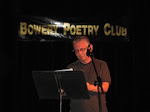

the "sie" - "they" - in "sie üben Hasen, Reh und Hirsch" does not refer to anything with grammatical plausibility (it would be "they cultivate hares, does and stags"); as this seems to be very typical for herbeck - pronouns coming out of left field - i think you should somehow retain this. it almost seems as if these pronouns in a sense actually bring forth what they do not refer to (yet). they are active and generative in a very peculiar sense, it seems
"der bach ist er geschwollen"
literally - and ungrammatically - is
"the brook is it swollen"